WE ARE HIRING!
5 signs your HVAC system needs replacement before Colorado winter
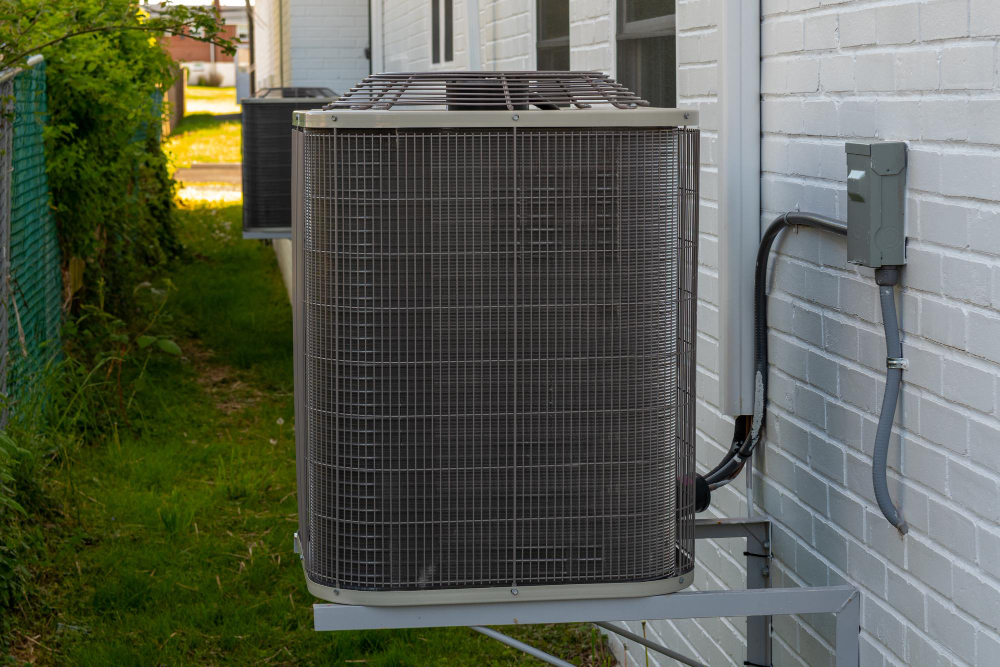
There's a particular kind of bad timing every Colorado homeowner dreads: the furnace dies on the coldest night of the year. It's not random, either. Heating systems tend to fail when they're working hardest, which means a system already showing its age is most likely to quit exactly when you need it most. Catching the signs your HVAC system needs replacement before Colorado winter arrives is how you avoid that scenario altogether.
The tricky part is that the warning signs are easy to rationalize away. A slightly higher bill, an odd noise, a room that never quite warms up, each one alone seems minor, so it gets ignored until the system fails outright. Taken together, though, they often tell a clear story about a system nearing the end of its life.
This guide walks through five concrete signs worth paying attention to, why they matter more here than in a milder climate, and how to think clearly about repairing versus replacing. Acting before the cold sets in gives you time to make a calm, informed decision about heating replacement and installation rather than an emergency one in January.
In this article, you will learn about:
- The age and repair history that signal a system on borrowed time
- What rising bills and uneven heating really tell you
- The safety warning signs you should never ignore
- How to decide between repairing and replacing before winter
Keep reading to learn the five signs that matter most, and how to tell the difference between a system that needs a tune-up and one that needs replacing before the snow flies.
When age and repair bills are telling you something
The first two signs are the ones homeowners most often talk themselves out of, because they build slowly. But age and a mounting repair history are usually the clearest early indicators that a system is on its way out.
Read together, they answer a simple question: are you maintaining a system, or propping one up? The difference matters a lot heading into a Colorado winter.
Why 15 years is a turning point for most systems
Most furnaces and central systems are built to last somewhere in the range of 15 to 20 years, with heat pumps often on the shorter end of that. Once a system crosses the 15-year mark, it isn't automatically junk, but it has entered the stretch where major components start to fail and efficiency has usually slipped well below where it began.
Age matters more in Colorado than in a mild climate because our heating season is long and demanding. According to the U.S. Department of Energy, older fossil-fuel systems often operated at just 56 to 70 percent efficiency, while modern high-efficiency models reach as high as 98.5 percent, so an aging unit is not only more failure-prone but markedly less efficient than what would replace it. A furnace here also logs far more running hours over its life than one in a place with short, gentle winters, so it effectively ages faster in terms of wear even at the same calendar age.
There's also a refrigerant wrinkle worth knowing for older cooling equipment. Systems old enough to use R-22 refrigerant are now well past their prime, since R-22 has been phased out of production, making repairs on those units increasingly impractical and expensive. If your system is old enough to fall into that category, that alone is a strong nudge toward replacement.
Knowing your system's age gives you a head start. If you're approaching or past that 15-year window, it's worth planning ahead rather than waiting for a failure to force your hand.
When repair costs stop making sense
A single repair on an older system is normal. The pattern to watch for is repairs that come more often and cost more each time, which is the financial version of a system telling you it's wearing out.
A useful gut check many homeowners and technicians use is to weigh the repair cost against the system's age and the price of replacement. When you're sinking real money into a system that's already old, you're often paying to delay a replacement that's coming anyway, and getting nothing back in efficiency or reliability for it.
Watch for these repair-history red flags as winter approaches:
- Repairs that are happening more frequently than they used to.
- Individual repair bills climbing into the hundreds or more.
- Being on a first-name basis with your technician from repeat visits.
- Parts becoming hard to source because the system is old or discontinued.
Any one of these on its own might not be decisive, but several together usually point in the same direction. A system that needs something fixed every season is rarely a good bet for getting through another hard winter untouched.
The honest move is to ask your technician for a candid read on whether continued repairs make sense, ideally before the system fails rather than after.
What rising bills and uneven heating are really telling you
The next two signs show up in your comfort and your wallet rather than in a dramatic breakdown. They're easy to blame on weather or rates, but they often point to a system that's quietly losing its effectiveness.
Paying attention to them gives you a read on efficiency, which is one of the biggest reasons to replace an aging system before another expensive heating season.
Why your heating bills keep creeping up
If your heating bills are climbing without a matching jump in fuel rates or an unusually cold stretch, your system's efficiency may be slipping. As furnaces and heat pumps age, wear and failing components force them to work harder and burn more fuel to deliver the same warmth.
According to the U.S. Energy Information Administration, how much a home spends on heating depends heavily on its insulation, air tightness, and the efficiency of its heating equipment, not just on fuel prices. In other words, two identical homes can have very different bills based on how efficiently their systems run, which is exactly why a declining old system shows up on your statement.
That efficiency gap tends to widen over a Colorado winter, since the system runs so many hours. A few percentage points of lost efficiency that wouldn't matter much in a mild climate can add up to real money across months of heavy use here.
Comparing this winter's bills to a couple of years ago, adjusted for rates, is a simple way to spot the trend. A steady climb with no other explanation is your system quietly telling you it's working too hard.
What hot and cold spots reveal about your system
When some rooms never get warm while others are fine, it's tempting to chalk it up to drafty windows. Sometimes that's true, but persistent hot and cold spots often point to a heating system that can no longer distribute air evenly or maintain the capacity it once had.
Uneven heating can stem from a system losing its punch, from failing components, or from a unit that's simply too worn to keep up with demand on the coldest days. As equipment ages, its ability to deliver consistent comfort across the whole home tends to fade, and the rooms farthest from the system feel it first.
A few comfort-related symptoms are worth noting together:
- Rooms that never reach the thermostat's setting no matter how long the system runs.
- The system running almost constantly yet still struggling on cold days.
- Air from the vents that feels weak or not as warm as it used to.
- Comfort that's noticeably worse than it was a few winters ago.
These point to a system stretched past its comfortable capacity. Heading into winter, a system that already can't keep up on a merely cold day is unlikely to handle a true cold snap.
This is also worth distinguishing from a simple fix. Sometimes a tune-up, a filter change, or duct work resolves uneven heating, which is why a professional assessment is the right next step before assuming the worst.
The safety warning signs you should never ignore
The final sign is the most important, because it's about safety rather than comfort or cost. Fuel-burning heating systems can pose real risks as they age, and these are the signs that warrant immediate attention rather than a wait-and-see approach.
None of this is meant to alarm, only to make clear which symptoms cross the line from "monitor it" to "get it checked now."
Why carbon monoxide risk rises with age
A furnace's heat exchanger is the component that separates combustion gases from the air you breathe. As a furnace ages through years of heating and cooling cycles, that metal can fatigue and crack, and a cracked heat exchanger can allow carbon monoxide to leak into your home's air.
This is a serious matter. According to the U.S. Consumer Product Safety Commission, more than 200 people die each year in the United States from unintentional, non-fire carbon monoxide poisoning, with heating equipment among the leading contributors. Carbon monoxide is odorless and colorless, which is what makes it so dangerous, and why you can't rely on noticing it yourself.
Because of that, the CPSC urges homeowners to have a professional inspect all fuel-burning heating systems once a year. A working carbon monoxide detector on every level of the home is essential as a last line of defense, but it does not replace catching a failing heat exchanger before it becomes dangerous.
If you ever suspect a carbon monoxide problem, treat it as an emergency: get everyone out, get fresh air, and call for help. Short of that, an annual professional inspection is the responsible baseline for any home with a fuel-burning system, especially an older one.
The sounds and smells that mean call now
Beyond carbon monoxide, your senses can warn you of trouble. A healthy system runs relatively quietly, so new and persistent noises, banging, screeching, rattling, or booming, often signal a mechanical problem that needs professional attention rather than another season of hope.
Smells matter too. A persistent burning or acrid odor, or a sharp chemical smell when the system runs, is not normal and should be checked promptly. The rotten-egg smell associated with a natural gas leak is its own emergency entirely, calling for leaving the home immediately and contacting your gas utility.
Here are the safety signals that warrant prompt professional attention:
- A carbon monoxide detector that alarms, which calls for immediate evacuation and a call to emergency services.
- Persistent loud or unusual noises from the system that weren't there before.
- Strange burning or chemical odors when the heat is running.
- A yellow rather than blue burner flame on a gas furnace, which can indicate incomplete combustion.
These aren't symptoms to ride out until spring. When an aging system starts showing safety-related warning signs, replacement is often the safest path forward, and it's a conversation worth having before you're depending on the system through the coldest months.
Pairing a new system with healthier indoor air
When safety concerns push you toward replacement, it's also a natural moment to think about the air your system circulates. A tightly sealed Colorado home recirculates the same air all winter, so replacing a heating system is a good time to consider indoor air quality services alongside the new equipment.
Fresh-air ventilation, filtration, and humidity control all integrate most easily when the heating system is already being worked on. Folding them into a replacement project tends to be cleaner and more cost-effective than adding them later.
It's worth raising with your installer while you're planning, so the whole system, heating and air quality together, is set up to keep your home both safe and comfortable through the winter.
How to decide between repairing and replacing before winter
Seeing one or more of these signs doesn't automatically mean replacement, but it does mean it's time for a clear-eyed decision. Making that call before winter, rather than during a failure, is the difference between a thoughtful choice and a desperate one.
The goal is to weigh the real factors honestly and get ahead of the cold while you still have options.
Weighing the real factors honestly
A sound repair-or-replace decision comes down to a handful of considerations taken together rather than any single one. Walk through them before you commit either way:
- Age: Is the system within or past the 15-to-20-year window where failures cluster?
- Repair trend: Are repairs getting more frequent and more expensive over time?
- Efficiency: Have your bills crept up, signaling a system working too hard?
- Comfort: Is the system struggling to keep the whole home evenly warm?
- Safety: Are there any of the warning signs that point to risk rather than inconvenience?
If you're answering yes to several of these, replacement usually makes more sense than continuing to invest in an aging system. If it's mostly one minor issue on an otherwise young, healthy system, a repair or tune-up may be all you need.
The point isn't to replace for its own sake, but to avoid pouring money into a system that's going to fail anyway, ideally in the middle of a cold snap.
Why acting before winter beats waiting
Timing is its own argument. Replacing a system before the cold arrives means you choose your equipment calmly, schedule the work conveniently, and aren't negotiating in a panic while your home grows cold around you.
An emergency replacement in the depths of winter is the worst-case scenario: rushed decisions, the stress of a freezing home, and the risk to pipes and property that comes with any heating failure in a Colorado cold snap. Getting ahead of it removes all of that pressure.
A pre-winter assessment is the simplest way to know where you stand. A professional can tell you honestly whether your system has another season in it or whether you're better off replacing it now, while the choice is still yours to make on your own terms.
Conclusion
The signs that an HVAC system is nearing the end add up quietly: a system past 15 years, repairs that keep coming, bills that keep climbing, rooms that never warm up, and the safety warning signs that should never be ignored. Individually they're easy to rationalize, but together they usually tell a clear story about a system running out of time.
Acting on them before winter is what separates a calm, informed replacement from a frantic one on the coldest night of the year. In a climate where your heating system runs hard for months and a failure can put your home at real risk, getting ahead of the decision protects both your comfort and your peace of mind.
The smartest step is a straightforward pre-winter assessment from a team that will tell you honestly whether to repair or replace, with no pressure to buy what you don't need. For a clear evaluation and a free in-home estimate from a team that has kept Western Slope homes warm since 1996, reach out to Snipps Heating & Air Conditioning and head into winter with confidence in your system.
HVAC repairs, maintenance, and installation for homes and businesses across Montrose and the Western Slope. Family-run, certified, and here when you need us since 1996.