WE ARE HIRING!
Best HVAC systems for mountain homes in Western Colorado
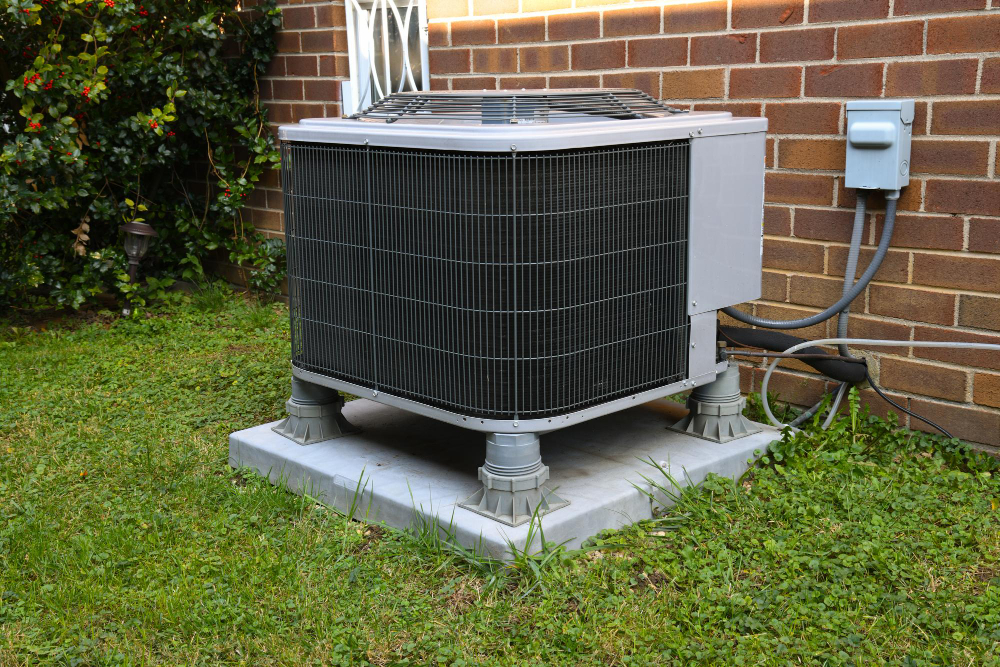
Heating a mountain home in Western Colorado is a different challenge than keeping a house comfortable almost anywhere else. The winters are long and genuinely cold, the elevation thins the air and changes how equipment performs, and many homes up here, especially older cabins and second properties, were never built with modern central systems in mind. Choosing the best HVAC system for a mountain home in Western Colorado means weighing all of that, not just picking whatever was popular at sea level.
There's no single right answer, because the smartest system depends on your home's age, layout, fuel access, and how you actually use the place. A full-time residence in Montrose has different needs than a weekend cabin near Telluride that sits empty between visits. What works beautifully in one can be a poor fit in the other.
This guide walks through the main HVAC options that make sense for high-country living, what each one does well, and where each falls short. Whether you're building new, replacing a tired old system, or solving comfort problems in a home that never quite gets warm, understanding your choices is the first step toward getting the right heating replacement and installation for your home.
In this article, you will learn about:
- What makes mountain-home HVAC different in Western Colorado
- The main heating and cooling systems worth considering
- How to match a system to your specific mountain home
- Getting the installation right at altitude
Keep reading to learn which systems actually hold up to a Western Colorado winter, and how to choose the one that fits your home, your fuel, and the way you live.
What makes mountain-home HVAC different in Western Colorado
Before comparing systems, it helps to understand why a mountain home changes the math. The conditions up here put demands on heating and cooling equipment that simply don't exist in milder, lower places.
Getting these factors straight first is what keeps you from buying a system that looks fine on paper but disappoints once a real winter arrives.
How elevation and cold change what your system has to do
Western Colorado's high elevation means long, cold winters and big temperature swings between day and night. Your heating system is the one you truly depend on here, often for months at a stretch, and it has to perform reliably when outdoor temperatures drop well below freezing.
Altitude itself affects combustion equipment. Furnaces burn fuel, and at higher elevations the thinner air changes how that combustion behaves, which is why mountain installations often require altitude-specific adjustments or derating to run safely and efficiently. This is one of the clearest reasons a system should be set up by someone who works at elevation routinely.
Cooling, by contrast, tends to be a lighter load up here. Summers are shorter and cooler than down in the valley towns, so for many mountain homes the real priority is dependable, efficient heat, with cooling as a welcome bonus rather than the main event.
Why so many mountain homes lack modern ductwork
A huge share of Western Colorado's housing stock is older cabins, log homes, and timber-framed properties that were never built around central ductwork. Cutting ducts into solid log walls or a finished mountain home is invasive and expensive, and sometimes structurally impractical.
That single fact shapes a lot of the decision. Some of the best modern options, like ductless systems, exist precisely because they sidestep the ductwork problem, while traditional central systems assume ducts you may not have.
It also means there's rarely a one-size-fits-all answer in the high country. The right system for a 1970s cabin with no ducts looks very different from the right system for a newly built home with a full duct network already in place.
The second-home factor that changes everything
Mountain country is full of second homes and vacation properties that sit empty for weeks at a time. That reality changes what matters most in a heating system, because a failure nobody is around to notice can freeze pipes and cause serious damage before anyone walks back through the door.
For these homes, reliability, freeze protection, and remote monitoring often matter more than squeezing out the last percentage point of efficiency. Being able to check on and adjust the temperature from your phone turns into a genuine safeguard, not just a convenience.
It also raises the value of preventative maintenance. A system that's checked and tuned before the owners leave for the season is far less likely to fail during the long stretch when no one's there to catch a problem early.
The main heating and cooling systems worth considering
With the mountain context in mind, here are the systems that actually make sense for Western Colorado homes. Each has a place, and the best choice depends on your home and how you live in it.
There's no universally "best" system, only the best fit for your situation, so it helps to understand what each one does well before weighing them against your home.
High-efficiency furnaces, the high-country workhorse
For a lot of mountain homes, a furnace remains the backbone of winter comfort. Furnaces produce strong, reliable heat by burning natural gas or propane, and they shrug off the deep cold that can challenge other systems, which is exactly why they remain so common in cold climates.
Efficiency is measured by AFUE, or annual fuel utilization efficiency. According to the U.S. Department of Energy, older fossil-fuel furnaces often ran at just 56 to 70 percent AFUE, while modern high-efficiency condensing models reach as high as 98.5 percent, converting nearly all their fuel into usable heat. Replacing a decades-old furnace can cut a surprising amount off your heating costs simply by wasting less fuel.
Furnaces do depend on a fuel supply, which in much of the high country means propane rather than natural gas, and propane prices and delivery are part of the ownership picture. They also need ductwork to distribute heat, so they fit homes that already have ducts far more easily than those that don't.
For homeowners weighing a furnace, a few points stand out:
- Strong, fast heat that performs in the coldest mountain conditions.
- A wide efficiency range, where upgrading from an old unit to a high-AFUE model can noticeably lower fuel use.
- A dependence on ductwork and a steady fuel supply, whether natural gas or propane.
Those strengths make furnaces a natural fit for full-time homes with existing ducts and reliable fuel access. The main question is usually how efficient a model makes sense for your budget and how long you plan to stay.
Heat pumps and the cold-climate question
Heat pumps have become one of the most talked-about options, and for good reason. Rather than burning fuel, they move heat, which makes them remarkably efficient and lets a single system both heat and cool your home. The catch in the mountains has always been cold-weather performance, but the technology has come a long way.
According to the U.S. Department of Energy, cold-climate air-source heat pumps are now engineered to keep producing heat in genuinely cold conditions and can reduce a household's energy use substantially, with the biggest gains for homes that currently rely on electric resistance or fuel-oil heat. That makes a properly chosen cold-climate model a serious option even in Western Colorado, where a standard heat pump would have struggled in the past.
Heat pumps do ask more of your electrical system, and switching from a fuel-burning system may mean a panel upgrade. In the very coldest snaps, many mountain homeowners pair a heat pump with a backup heat source rather than relying on it alone, which leads directly to the next option.
Dual-fuel and hybrid systems, the best of both
A dual-fuel system pairs an electric heat pump with a gas or propane furnace, and a smart control switches between them based on the temperature outside. In milder weather the efficient heat pump does the work, and when a hard cold snap hits, the furnace takes over to deliver the strong heat that extreme cold demands.
For Western Colorado, this hybrid approach is often the sweet spot. You get the year-round efficiency and cooling of a heat pump through most of the season, plus the reassurance of fuel-fired backup for the deepest cold, which is exactly the kind of redundancy that matters when winters are long and unforgiving.
The trade-off is complexity and upfront cost, since you're essentially installing two heat sources and the controls to manage them. For full-time homes that want both efficiency and bulletproof cold-weather reliability, though, many owners find that balance well worth it.
Ductless mini-splits for homes without ducts
For the many mountain homes without ductwork, ductless mini-splits are often the standout choice. An indoor unit mounts on the wall and connects to an outdoor compressor through a small conduit, delivering zoned heating and cooling without tearing into log walls or finished spaces.
Because most mini-splits are heat pumps, cold-climate models bring the same efficient, year-round performance to homes that could never easily accept a ducted system. They also offer room-by-room control, which suits the lofts, additions, and uneven layouts so common in mountain architecture. For homeowners exploring air conditioner repair and installation alongside heating, ductless covers both in one system.
The main considerations are the visible indoor units, which some homeowners don't love, and the need to size and place them correctly for a home's specific layout. Done right, though, they solve the ductwork problem more elegantly than almost anything else.
How to match a system to your specific mountain home
The comparison above is only useful once you map it onto your actual home. The best system for your neighbor may be wrong for you, so it pays to think through your own situation honestly.
A handful of questions tends to point most homeowners toward the right answer faster than any spec sheet.
Start with ductwork, fuel, and how you use the home
Three factors do most of the work in narrowing your options. Ask yourself where you stand on each:
- Ductwork: Does your home already have ducts in good condition, or is it a cabin or older home without them?
- Fuel access: Do you have natural gas, propane, or are you leaning toward an all-electric setup?
- Usage: Is this a full-time residence or a second home that sits empty for stretches?
Your answers quickly steer the decision. A ducted full-time home with gas service is a natural furnace or dual-fuel candidate, while a duct-free cabin points toward ductless, and a frequently empty second home puts a premium on reliability and freeze protection.
These aren't the only factors, but they're the ones that most often make or break a choice, which is why a good installer asks about them first.
Weigh efficiency against upfront cost honestly
Higher-efficiency equipment costs more up front and pays you back over time through lower bills, but the payback math depends on how much you actually run the system. According to ENERGY STAR, certified gas furnaces in the colder northern U.S. are built to higher efficiency levels than those sold in the warm south, precisely because homes in cold climates run their heat so much more.
That logic works in your favor in Western Colorado. Because your heating season is long and demanding, efficient equipment has more hours to earn back its premium than it would in a mild climate, which often makes stepping up a tier worthwhile.
At the same time, a frequently empty second home or a tight budget may argue for a simpler, reliable system over the most efficient one. The right balance is personal, and an honest installer will help you find it rather than steering you to the priciest option by default.
Don't forget indoor air quality at altitude
Mountain homes seal up tight against the cold for months, which means the same air gets recirculated again and again through a long winter. That makes ventilation and air quality more than an afterthought, especially in newer, tightly built homes that don't breathe much on their own.
Pairing your heating choice with the right indoor air quality services, from fresh-air ventilation to humidity control, keeps a sealed winter home healthier and more comfortable. Dry high-altitude air in particular can make a home feel less comfortable than the thermostat suggests.
It's worth raising with your installer while you're planning, since some air quality solutions integrate most easily when the heating system is already being worked on. Thinking about it up front is cheaper and cleaner than bolting it on later.
Getting the installation right at altitude
Even the best system underperforms if it's installed poorly, and altitude raises the stakes. The difference between a system that quietly does its job for decades and one that struggles often comes down to who put it in.
This is the part homeowners tend to overlook, and it's the part that matters most once the snow flies.
Why proper sizing matters even more in the mountains
Sizing is critical for any HVAC system, but mountain conditions make it unforgiving. An oversized system short-cycles and wastes energy, while an undersized one runs constantly and still can't keep up when temperatures plunge, which is a real problem when "keeping up" means protecting your home through a deep freeze.
Proper sizing comes from a genuine load calculation that accounts for your home's square footage, insulation, windows, and the local climate, not a quick rule of thumb. At altitude, that calculation also has to reflect how combustion equipment performs in thinner air. Getting it right protects both your comfort and your equipment's lifespan.
A correctly sized system runs steadily and efficiently, which is exactly what you want from equipment that may run for months without a real break.
The value of an installer who works at elevation
Mountain installs carry details a lowland crew may miss. Combustion equipment often needs altitude adjustments, outdoor units need clearance above the snow line, and placement has to account for snow shedding off roofs and the realities of mountain access.
An installer who works at elevation routinely knows these things cold, and builds them into the job rather than discovering them halfway through. That experience is hard to overstate when your system has to survive a Western Colorado winter year after year.
It also shows up in the small things, from sealing and venting done correctly for the conditions to honest advice about which system genuinely fits your home. Local knowledge is part of the product you're buying.
Maintenance keeps mountain systems reliable
Whatever system you choose, maintenance is what keeps it dependable through hard winters. A pre-season tune-up catches worn parts before months of heavy use, and for second homes it's the best insurance against an unnoticed failure during a long absence.
Regular service also protects efficiency, since a system clogged with dust or running on worn components quietly costs you more every month. In a climate this demanding, that steady upkeep adds up to real money and real peace of mind.
Building a maintenance routine into ownership, ideally on a regular schedule, is the simplest way to get the full lifespan out of whatever system you install. It's the least glamorous part of the decision and one of the most important.
Conclusion
There's no single best HVAC system for a Western Colorado mountain home, only the system that best fits your house, your fuel, and the way you live. A full-time home with existing ductwork and gas service may be ideal for a high-efficiency furnace or a dual-fuel setup, while a duct-free cabin is a natural home for ductless mini-splits, and a frequently empty second home puts reliability and freeze protection above all else.
What every good choice has in common is that it's matched to the realities of high-country living: long cold winters, thin air that affects combustion, older homes without ducts, and the demands of properties that sit empty between visits. Efficiency matters more here than in a mild climate, because your system runs so hard for so long, but reliability and proper installation matter just as much.
The smartest next step is to talk with a team that installs and services these systems at elevation every day, can size yours correctly, and will give you honest advice about what actually fits your home rather than what's easiest to sell. For straightforward guidance and a free in-home assessment from a team that has kept Western Slope homes comfortable since 1996, reach out to Snipps Heating & Air Conditioning and find the right system for your mountain home.
HVAC repairs, maintenance, and installation for homes and businesses across Montrose and the Western Slope. Family-run, certified, and here when you need us since 1996.