
WE ARE HIRING!
Ductless mini-split vs. central air: which is right for your Western Colorado home?
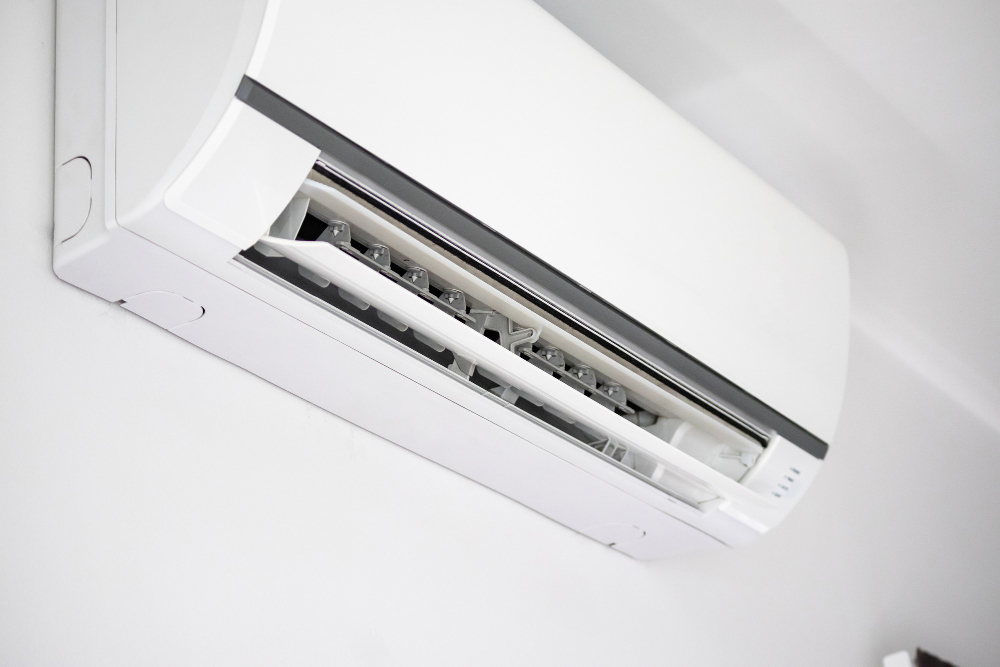
Choosing between a mini-split and central AC system affects your comfort, energy bills, and home value for years to come. Both systems cool your home effectively, but they work in different ways and suit different needs. Mini-splits don't require ductwork and let you control temperatures in individual rooms, while central AC uses ducts to cool your whole home from one unit.
Your home's size, layout, and existing infrastructure play a big role in which system makes sense. If you already have ductwork, central AC might be simpler to install. If you don't have ducts or want more control over different areas of your home, mini-splits could be a better fit.
When you are weighing a ductless mini-split vs central air for a home in Montrose or anywhere across the Western Slope, the right answer depends on how your house is built and how you actually live in it. The team behind air conditioner repair and installation sees both systems perform well here when they are matched to the home.
In this article, you will learn about:
- How home characteristics influence cooling system choices
- Breaking down installation and upfront costs
- Comparing comfort and cooling consistency
- Seasonal energy efficiency in Colorado homes
- Maintenance demands and system upkeep
- Factors affecting resale value and ownership
Keep reading to learn how to match the right cooling system to your home, your budget, and Colorado's climate before you spend a dollar on installation.
How home characteristics influence cooling system choices
Your home's age, existing infrastructure, and layout directly affect which cooling system will work best and cost less to install.
Older homes and ductless preferences
Older homes often lack ductwork entirely or have outdated systems that can't handle modern cooling demands. Adding new ducts to these homes requires cutting into walls, ceilings, and floors, which drives up costs and creates major disruptions during installation.
Ductless mini-splits solve this problem by mounting directly on walls without requiring any ductwork. You only need a small hole for the conduit that connects indoor and outdoor units. This makes installation faster and less invasive.
Many older homes also have solid plaster walls, decorative moldings, or historical features you want to preserve. Running ducts would damage these elements. Mini-splits protect your home's character while adding modern cooling, which matters in the older housing stock around Ouray and the historic mining towns nearby.
Homes built before 1950 frequently have room layouts that don't match the airflow patterns central air requires. Ductless systems let you place units exactly where you need cooling without worrying about how air travels through the house. That flexibility is part of why ductless options come up so often in places like Silverton, where the housing leans old and additions are common.
Leveraging existing ductwork for central air
If your home already has ductwork from a furnace or existing air conditioning system, central air becomes the more practical choice. You can use the same ducts for both heating replacement and installation and cooling, which eliminates the need for separate systems.
The cost savings are real when ducts are already in place. Installation mainly involves connecting the outdoor unit and upgrading the air handler if needed. This typically costs far less than installing ductwork from scratch.
You should inspect existing ducts before committing to central air. Leaky or poorly insulated ducts waste energy and reduce cooling performance. According to ENERGY STAR, about 20 to 30 percent of the air moving through a typical home's duct system is lost to leaks, holes, and poor connections, so sealing and insulating ducts costs extra but pays you back in both comfort and lower bills.
Homes with basements, crawl spaces, or accessible attics make duct maintenance easier. These spaces give technicians room to work on the system without disrupting your living areas. They are also the spots where leaks and poor insulation do the most damage, since any conditioned air lost there is lost to unheated, uncooled space.
Impacts of additions and conversions
Room additions and garage conversions rarely connect to your home's existing ductwork. Extending ducts to these spaces requires significant work and may overload your current system's capacity.
Mini-splits excel in these situations because each unit operates independently. You can add cooling to a new bedroom, converted attic, or finished basement without touching your main system. Each space gets its own temperature control, which is a common request from homeowners in Delta finishing out basements and bonus rooms.
Sunrooms and three-season porches present unique challenges. These rooms often see extreme temperature swings that would strain a central system. A dedicated mini-split handles these variations more effectively, which is useful in a climate where a sunroom can bake in the afternoon and drop sharply once the high-desert sun goes down.
Home offices and workshops also benefit from separate units. You can run cooling only in the space you're using instead of cooling your entire house during work hours. The same logic applies to a sheet metal fabrication shop or other detached workspace that your main system was never sized to reach.
Breaking down installation and upfront costs
Installation cost depends far more on your home than on the system label. The size of your house, the number of zones you need, and whether you already have usable ductwork move the number more than anything else, which is why a free in-home estimate beats any online figure.
What drives the price of a ductless mini-split
Your total cost depends on how many indoor units you install and the cooling capacity you need. A single-zone system that cools one room sits at the low end. Each additional zone you add raises the price, because every indoor air handler is its own piece of equipment with its own line set and its own labor.
Adding zones increases the price quickly. A whole-home ductless setup covering several rooms can rival or exceed a central system, since each indoor head has to be mounted, wired, and connected to the outdoor condenser separately.
Labor is a large share of any quote, and installation across the Western Slope often runs above the national average because of altitude considerations, mountain access, and local permit requirements. A job in a hard-to-reach property near Telluride can carry more labor than the same system in town. Your installer will drill small holes through exterior walls, mount the outdoor condenser, and run refrigerant lines between units.
Equipment quality also drives price. Systems with higher SEER ratings cost more up front than standard models but deliver better efficiency, which can matter over a long Colorado cooling and heating season since many ductless units double as heat pumps.
Cost drivers for central air installation
Your biggest variable is ductwork. If you already have ducts in good condition, a complete central air system covers the outdoor condenser, indoor coil or air handler, thermostat, and labor, and the job stays relatively contained.
Homes without existing ducts face a much larger project, because the ductwork has to be designed and run before anything else happens. Duct runs through basements or crawl spaces cost less than routing through finished walls or tight attics, where access is the real expense.
Tonnage requirements raise costs too. The larger your home, the more cooling capacity you need, and capacity scales with price. A bigger house that needs a larger system will land at the higher end of any range, while a compact home needs far less. Proper sizing matters more than chasing the biggest unit, since an oversized system wastes energy and struggles with humidity.
Overlooked extras in budget planning
Permits vary by municipality and should be part of your plan from the start. Electrical upgrades for dedicated circuits can add to the bill if your panel lacks capacity, which is common in older homes around Ridgway and similar small mountain communities.
You might need a concrete pad for the outdoor unit. Line-set covers for the exposed refrigerant lines on mini-splits protect your investment and improve curb appeal, and they are inexpensive relative to the equipment.
A compatible smart thermostat is another line item worth planning for. Some utility companies offer rebates for high-efficiency systems, which directly offset your upfront costs, so it is worth asking your installer which incentives apply before you sign anything.
Comparing comfort and cooling consistency
Mini-splits give you different temperatures in different rooms, while central air keeps your whole house at one steady temperature. Each system handles comfort in its own way, and each has specific problems you might need to fix.
Room-by-room air control with mini-splits
Mini-splits let you set different temperatures in each room or zone. You can keep your bedroom at 68 degrees while your living room stays at 72 degrees. Each indoor unit has its own remote control or thermostat.
This control helps you save money because you don't cool rooms you aren't using. If your family members like different temperatures, mini-splits solve that problem. You can turn off units in guest rooms or keep your home office cooler during work hours.
The main limit is that each unit only controls the room where it's installed. Large open spaces might need more than one unit to cool evenly. Some spots near the unit might feel colder than areas farther away, so placement matters as much as capacity.
Consistent cooling across the home with central air
Central air uses one thermostat to control your entire house. Air flows through ducts to every room, which creates an even temperature throughout your home. When you set the thermostat to 72 degrees, every room should reach close to that temperature.
This system works well for open floor plans and homes where you want the same temperature everywhere. You don't need to adjust multiple controls or think about which rooms to cool.
The downside is that you can't customize temperatures for different rooms. Upstairs rooms might run warmer than downstairs rooms because heat rises. Rooms far from the air handler might not get as much airflow as rooms closer to it, especially if the duct runs to those rooms are long or leaky.
Troubleshooting common comfort concerns
For mini-splits:
- Hot or cold spots usually mean the unit is too small for the room or mounted in the wrong location
- Air not reaching certain areas can often be fixed by adjusting the louvers or adding another unit
- Some people find the indoor units noisy, though newer models run quieter
For central air:
- Uneven cooling often means blocked vents, dirty filters, or leaky ducts
- Rooms that stay warm might need dampers adjusted in the ductwork
- Poor airflow can come from an undersized system or ductwork problems
Both systems need regular maintenance to keep working well. Clean or replace filters on schedule and book professional service once a year, since most comfort complaints trace back to airflow problems rather than a failing compressor.
Seasonal energy efficiency in Colorado homes
Colorado's temperature swings and high elevation create unique challenges for home cooling and heating systems. The efficiency gap between ductless and central air becomes clearest when you look at energy loss, system optimization, and long-term costs in this climate.
Cutting energy loss with ductless systems
Ductwork is a major source of waste in traditional cooling systems. When ducts run through unconditioned spaces like attics or crawlspaces, a large share of the air you paid to cool never reaches your rooms.
Ductless mini-splits sidestep this problem. According to the U.S. Department of Energy, the energy losses tied to ductwork in central forced-air systems can account for more than 30 percent of energy consumption for air conditioning, and mini-splits avoid those losses because the refrigerant lines connecting the outdoor and indoor units transfer energy with very little waste. This matters especially on the Western Slope, where the gap between indoor and outdoor temperatures can be large in both summer and winter.
Modern mini-splits reach high SEER ratings, often well above what a typical older central air system delivers. Your system runs less often to maintain the same comfort level, which directly reduces electricity use.
Zone control adds another layer of savings. You can cool occupied rooms while leaving empty spaces warmer. A family spending the evening in the living room doesn't need to cool the bedrooms at the same time, which cuts waste throughout the day.
Optimizing central air efficiency
Central air works most efficiently when it is properly maintained and correctly sized. Your existing ductwork condition plays a major role in performance. Sealed, insulated ducts in conditioned spaces lose far less energy than old, leaky ducts in a hot attic.
Regular filter changes keep airflow strong and reduce strain on your compressor. ENERGY STAR recommends checking your filter every month during heavy-use seasons and changing it at least every three months, because a dirty filter slows airflow and forces the system to work harder, wasting energy and inviting expensive repairs down the line. Professional tune-ups before cooling season catch refrigerant problems and mechanical issues that quietly drain efficiency.
Programmable and smart thermostats help central systems close the gap with ductless efficiency. You can raise temperatures when you are away and precool before you return, and smart models learn your schedule and adjust on their own.
Your central air also performs better when shades block the strong afternoon sun and ceiling fans help distribute cool air. In Colorado's intense high-altitude sunlight, these simple steps reduce runtime and lower monthly bills.
Long-term utility bill impacts
The efficiency difference between systems shows up on your monthly bill. A home moving from an older, low-efficiency central air unit to a high-efficiency mini-split can cut cooling costs meaningfully over a season.
Installation costs affect payback periods differently. If your home has functional ductwork, central air requires a lower upfront investment. Ductless systems cost more initially but recover the difference through reduced energy bills over several years.
Colorado's variable climate means many systems also handle heating. Mini-splits function as heat pumps by default, providing efficient heating well into cold weather and extending savings beyond summer into the long shoulder seasons we get here. Just confirm any unit you buy is rated for cold-climate performance, since high-country towns like Crested Butte routinely drop well below freezing.
Your specific savings depend on home size, insulation quality, and usage patterns. Smaller homes or single-zone applications favor ductless economics. Larger homes with good existing ductwork may see a slower payback from switching to mini-splits.
Maintenance demands and system upkeep
Ductless mini-splits need less frequent professional service and simpler cleaning, while central air systems need regular duct and component attention that adds up over time.
Servicing and cleaning ductless mini-splits
You'll clean or replace the filters in your indoor units regularly during heavy use. This takes only a few minutes per unit and doesn't require any tools.
The outdoor compressor needs professional service once a year. A technician checks refrigerant levels, cleans the coils, and inspects electrical connections. Catching small problems at this visit is what keeps a minor issue from becoming a no-cool emergency in July.
You should also wipe down the indoor unit's exterior and check the condensate drain line every few months. If the drain clogs, you might notice water dripping from the unit. Clearing it usually just takes a wet-dry vacuum or a little vinegar.
Because mini-splits have no ductwork, you avoid the expense and hassle of duct cleaning. Each indoor unit operates independently, so a problem with one doesn't take the others down with it.
Annual expectations for central air owners
Central air systems benefit from professional maintenance twice a year in most cases. A spring tune-up prepares the AC for summer, while a fall check keeps the heating side ready for winter.
Your ducts should be professionally cleaned periodically to remove dust, allergens, and debris that reduce efficiency and air quality. Keeping ducts and filters clean ties directly into indoor air quality services, since the same dust that strains your system also ends up in the air you breathe. How often you need it depends on your home, pets, and local dust levels, which run high in parts of the high desert.
You'll replace your air filter on a regular schedule depending on the filter type. The filter protects your entire system from dirt buildup, so skipping it is one of the most common and most avoidable causes of breakdowns.
Duct leaks develop over time and waste energy. Sealing them is best handled by a professional, and the payback comes through lower bills and steadier room-to-room temperatures.
Long-term ease of maintenance
Mini-splits give you more control over your maintenance schedule. You can clean filters on your own time and only call a technician once a year. The lack of ductwork removes a whole category of expense and hassle.
Central air maintenance involves more moving parts and more professional visits. Ducts need attention, multiple components require servicing, and filter changes happen on a strict schedule. These tasks add up to higher annual costs and more time coordinating appointments.
Both systems last longer when properly maintained. Mini-splits typically run 15 to 20 years, while central air systems average 12 to 15 years. Regular care helps you reach the upper end of those ranges, and routine HVAC service is the single biggest factor in how long your system lasts.
Factors affecting resale value and ownership
Your HVAC choice affects how appealing your home looks to buyers and how much you'll spend over the years you live there. Both mini-splits and central air influence market value differently based on where you live and what local buyers expect.
Neighborhood buyer preferences
Buyers in your area often have specific expectations about cooling systems. Central air remains the default in many neighborhoods, especially where nearly every home has ductwork. A home without central air in those markets can raise questions during showings.
Mini-splits appeal more in certain markets. Energy-conscious buyers and people in homes where adding ductwork is expensive often value the efficiency and flexibility of ductless systems. Homes in historic districts or older mountain-town housing stock, like much of what you find in Hotchkiss, see less resistance to mini-splits.
The age and expectations of typical buyers matter too. Younger buyers familiar with modern HVAC technology may view mini-splits as an upgrade. Buyers relocating from traditional ducted markets might see them as unfamiliar at first.
A local agent who knows your market can tell you which system buyers expect. In some neighborhoods, a well-installed mini-split won't hurt your value at all. In others, the lack of central air could mean lower offers or a longer time on the market.
Planning for system lifespan and replacement
Central air systems typically last 15 to 20 years with proper maintenance, and mini-splits often run 20 years or more before needing replacement. Both require annual service to reach their full lifespan.
Replacement strategy differs between the two. With central air, you generally replace the whole system at once. With mini-splits, you can replace one zone at a time, spreading the cost out instead of facing a single large bill.
The quality of installation affects how long either system lasts. Poor installation can cut years off the equipment life. Professional installation with proper permits and warranties protects your investment far better than a budget job that skips steps.
Aligning systems with future goals
Your plans for the home should guide your choice. If you're selling within five years, match what buyers in your neighborhood expect. If you're staying 10 to 15 years, focus on the energy savings and comfort that matter to you daily.
Major renovations change the equation. Adding square footage or finishing a basement might work better with mini-splits than extending existing ductwork. Plans to age in place favor the zoned, room-by-room comfort that mini-splits provide.
Climate trends also matter for long-term planning. As summers trend hotter, efficient cooling pays off more. Systems that handle both heating and cooling from one unit, like mini-split heat pumps, line up well with where home comfort is heading on the Western Slope, where you need both for much of the year. Homeowners as far out as Cimarron face the same dual demand, which is why year-round capability carries weight here.
Making the final choice
Your home's specific characteristics and your comfort priorities determine which system works best. The right choice depends on your existing infrastructure, climate conditions, and how you use different areas of your home.
Scenarios favoring ductless mini-splits
Ductless mini-splits work best when you lack existing ductwork or have ducts in poor condition. If you live in an older home without central air, installing ducts adds a large cost on top of the AC system itself.
You should consider mini-splits if you need different temperatures in different rooms. A teenager who prefers a cooler bedroom and parents who want a warmer living room can each control their own zone.
Homes with additions or converted spaces like garages and attics benefit from ductless systems. Extending ductwork to those areas is often impractical and expensive. Mini-splits also suit Colorado homes where wide swings between day and night temperatures call for flexible cooling and heating.
Best applications for mini-splits:
- Homes without existing ductwork
- Room additions and converted spaces
- Properties that need zone-by-zone control
- Energy-efficient upgrades where ductwork is impractical
When central air is the preferred option
Central air makes the most sense when you already have ductwork in good condition throughout your home. You also avoid the visual impact of wall-mounted units in every room, which some homeowners dislike.
Your home benefits from central air if you prefer consistent temperatures everywhere. The system delivers uniform cooling from a single thermostat, which keeps operation simple for families who don't need zone control.
Larger homes often work better with central systems. Installing enough mini-split units to cover a lot of square footage can cost more than a single, properly sized central air system.
Benefits of professional assessments
A professional HVAC technician evaluates your home's insulation quality, existing infrastructure, and cooling load. They measure square footage, assess window efficiency, and find air leakage points that affect performance.
An expert can calculate your actual cooling needs rather than relying on rough estimates. Oversized systems waste energy and create humidity problems, while undersized units struggle to keep up.
You also receive an accurate quote that accounts for your home's specific challenges. A professional flags potential issues like electrical upgrades, permits, and structural work before you commit, and can compare long-term operating costs based on local electricity rates and Colorado's climate.
Conclusion
There is no single best system when you compare ductless mini-splits and central air. Your choice comes down to your home's layout, your budget, and your comfort needs.
Central air works well if you have existing ductwork in good condition, want to cool your entire home uniformly, prefer a system that stays out of sight, and like a simple, set-it-and-forget-it setup.
Ductless mini-splits are the better fit when you don't have ductwork or it's in poor shape, you want to control temperatures room by room, you need to add cooling to additions or garages, or you want to prioritize energy efficiency and lower operating costs.
Both systems will keep your home comfortable through the hot months. Central air usually costs less up front if you already have ducts, while mini-splits ask for a higher initial investment but often save money on energy over time. Some homes do best with a combination, using central air for the main living areas and mini-splits for problem spaces.
The smartest next step is to have a qualified professional assess your home and give you accurate options for both. For honest guidance and a free estimate from a team that has served the Montrose area since 1996, reach out to Snipps Heating & Air Conditioning and get the right system matched to your home the first time.
HVAC repairs, maintenance, and installation for homes and businesses across Montrose and the Western Slope. Family-run, certified, and here when you need us since 1996.