
WE ARE HIRING!
Heat pump vs. furnace: which heating system is best for Western Colorado winters?
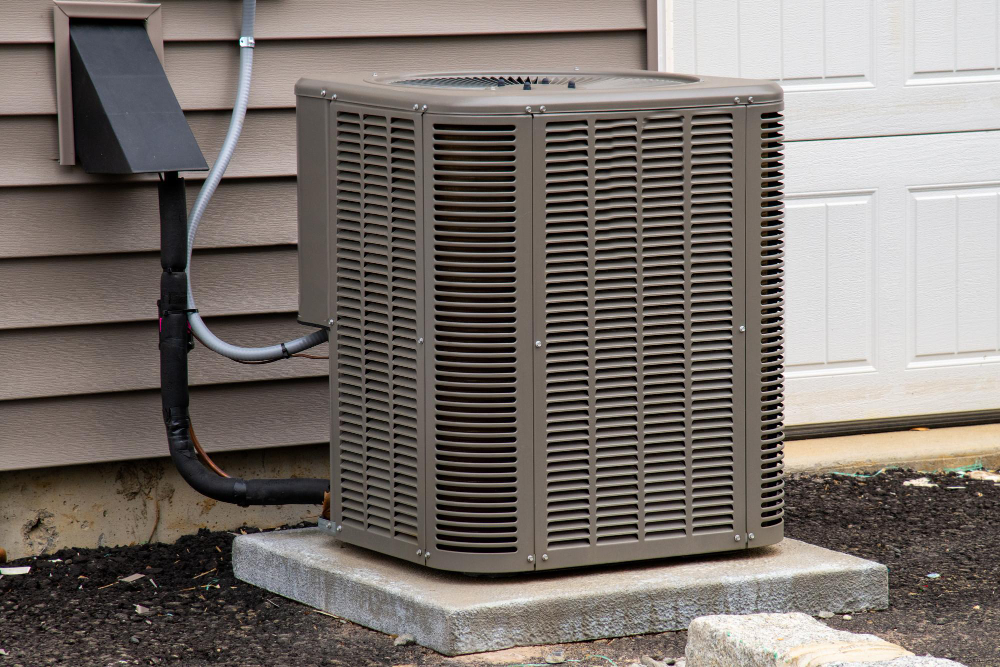
If you are a homeowner in the Montrose area trying to decide between a heat pump and a furnace, you have probably run into a wall of conflicting opinions. Some people swear heat pumps cannot handle a real Colorado winter. Others say furnaces are dinosaurs and everyone should be switching to electric. The truth, as usual, is more interesting than either camp makes it sound.
Western Colorado is not Denver. It is not the Front Range. Homes here sit at elevations from 5,000 to nearly 9,000 feet, deal with winter temperatures that regularly drop below zero, and often rely on ductwork and electrical systems that were installed decades ago.
A heating system that works perfectly for a ranch home in the suburbs of Boulder may be wrong for a house in Ridgway or a cabin above Telluride. The altitude, the temperature extremes, and the condition of your home all factor into which system actually makes sense for your situation.
This article breaks down the real differences between heat pumps and furnaces for homes in this part of Colorado, including efficiency numbers, cost comparisons, altitude considerations, and the scenarios where each option (or a combination of both) gives you the best result.
If you are approaching a heating replacement decision and want to make it with real data instead of opinions, this is a good place to start.
In this article, you will learn about:
- How heat pumps and furnaces actually work differently
- What the efficiency numbers mean when you are paying the bills
- How altitude and Western Colorado winters change the comparison
- When a furnace still makes more sense than a heat pump
- Why a lot of Colorado homeowners are going with both
Keep reading to see how each system stacks up for the specific conditions homes in Montrose, the Uncompahgre Valley, and the surrounding mountain communities deal with every winter.
They heat your home in completely different ways, and that matters
Before you can compare costs or efficiency, it helps to understand what each system is actually doing when it runs. The fundamental difference between a heat pump and a furnace is not just a technical detail. It is the reason one system can deliver two to four times more heating energy per dollar of electricity than the other.
A gas furnace burns fuel to create heat. Natural gas enters the burner, ignites, and the resulting heat transfers through a metal heat exchanger into the air stream.
A blower pushes that heated air through your ductwork and into your rooms. Even the best high-efficiency condensing furnace, rated at 96 to 98 percent AFUE, can only convert 96 to 98 cents of every dollar's worth of gas into usable warmth. It can never exceed a 1-to-1 ratio because it is generating heat through combustion, and some energy always escapes as exhaust.
A heat pump does not generate heat at all. It moves it. Using a refrigerant cycle similar to an air conditioner running in reverse, it extracts thermal energy from the outdoor air and transfers it inside. Even cold air contains heat energy, and a heat pump's compressor concentrates that energy and delivers it to your home. Because moving heat takes far less energy than creating it, a heat pump can deliver two, three, or even four units of heating for every one unit of electricity it consumes.
According to ENERGY STAR, a certified air-source heat pump can deliver up to three times more heat energy to a home than the electrical energy it consumes.
That efficiency gap is the core of the entire conversation. Everything else, the costs, the altitude effects, the dual-fuel debate, flows from that basic physics.
Why this distinction matters more at altitude
At higher elevations, the air is thinner. For a gas furnace, that means less oxygen per cubic foot, which affects combustion efficiency. The International Fuel Gas Code requires furnace input ratings to be derated by 4 percent for every 1,000 feet above 2,000 feet. At Montrose's elevation of roughly 5,800 feet, a furnace rated at 100,000 BTU at sea level delivers closer to 85,000 BTU before any other adjustments.
Heat pumps face a different version of the challenge. Thinner air means less thermal energy available for the system to extract, so the compressor works harder at altitude than it would at sea level. Cold-climate models are designed to handle this, but the system still needs to be properly sized for the specific elevation.
According to the U.S. Department of Energy's Building Technologies Office, cold-climate air-source heat pumps can reduce household energy consumption by up to 40 percent, with homeowners using electric resistance or fuel oil heating seeing the largest cost savings. But those numbers assume proper installation and sizing, and at altitude, "proper" means an additional layer of calculation that sea-level contractors may not perform.
The takeaway is that neither system performs at its nameplate rating in Western Colorado, and any honest comparison needs to account for that.
What the efficiency numbers actually mean on your utility bill
Homeowners hear terms like AFUE, SEER2, HSPF2, and COP tossed around in HVAC quotes, but what most people really want to know is simple: which one costs less to run each month? The answer depends on the efficiency of each system, the price of electricity versus natural gas in your area, and how cold your winters actually get.
A furnace's efficiency is measured by its AFUE rating, or Annual Fuel Utilization Efficiency. A 96 percent AFUE furnace converts 96 percent of the gas it burns into heat. That is genuinely efficient for a combustion appliance, and modern condensing furnaces are impressive machines.
A heat pump's heating efficiency is measured by HSPF2, or Heating Seasonal Performance Factor. But the more intuitive way to think about it is COP, or coefficient of performance, which tells you how many units of heat the system produces per unit of electricity at a specific outdoor temperature.
Here is what that looks like in practice at different temperatures:
- At 47 degrees Fahrenheit (a mild fall day in Montrose), a cold-climate heat pump typically delivers a COP around 4.0. That means four units of heat for every one unit of electricity. A gas furnace at 96 percent AFUE is still stuck at 0.96 units of heat per unit of gas.
- At 17 degrees (a cold January night), the COP drops to around 2.5 to 3.0. Still well above the furnace.
- At 5 degrees (a bitter cold snap), a cold-climate heat pump still maintains a COP around 1.9 to 2.2. According to the U.S. Department of Energy, modern air-source heat pumps can reduce electricity use by up to 50 percent compared to electric resistance heating and furnaces, even in cold conditions.
The heat pump is more efficient at every temperature. But efficiency alone does not determine cost. You also need to know what you are paying per unit of energy.
Research from the National Renewable Energy Laboratory puts concrete numbers behind those efficiency advantages. NREL simulated 550,000 representative U.S. households and found that 62 to 95 percent would see lower energy bills with a heat pump, depending on the equipment's efficiency tier.
For homes already heating with electricity, fuel oil, or propane, the figure climbs to 92 to 100 percent, with median annual savings between $300 and $650. The savings were most pronounced in colder climates, which directly applies to the kind of winters homeowners face in Montrose and the surrounding valley.
But wait, gas is cheaper per unit, so does the heat pump still win?
Natural gas is usually cheaper per unit of energy than electricity. In many parts of Colorado, you might pay around $1.00 to $1.20 per therm of natural gas, while electricity runs $0.12 to $0.15 per kilowatt-hour. The heat pump's two-to-four-times efficiency advantage often offsets the higher per-unit price of electricity, but the math is tighter than it first appears.
A general rule of thumb used across the HVAC industry: if the ratio of your electricity price to your gas price is below about 3.5 to 1, the heat pump almost always wins on operating cost. Above 5 to 1, the furnace may be cheaper to run during the coldest months. Most of Western Colorado falls in a range where a cold-climate heat pump is competitive or better on annual operating cost, especially when you factor in that the heat pump also handles your cooling in summer.
The most accurate way to know is to pull out your most recent utility bills, find your actual rate per kilowatt-hour and per therm, and compare. Those two numbers, combined with your local climate, tell you more than any national average.
How Western Colorado winters change the entire comparison
Most heat pump versus furnace guides are written for a national audience. They assume relatively mild winters or use Denver as a proxy for "Colorado." Montrose, Ouray, Delta, and the mountain communities operate in a different reality. The heating season is longer, the temperature extremes are more severe, and the altitude creates conditions that simply do not exist on the Front Range.
What makes this region different from a heating equipment standpoint:
- Elevation. Montrose is at roughly 5,800 feet. Ouray sits above 7,700 feet. Silverton exceeds 9,300 feet. At these elevations, both furnaces and heat pumps lose capacity compared to their sea-level ratings. A furnace needs derating. A heat pump needs altitude-specific sizing through a properly adjusted Manual J load calculation.
- Temperature range. Winter nights regularly drop below zero in the valley, and communities at higher elevations can see extended stretches of minus 10 to minus 20. Standard heat pumps lose significant efficiency below 25 degrees. Cold-climate models, which are designed to maintain heating output down to minus 13 degrees or lower, are essentially mandatory for primary heating in this region.
- Heating season length. In Montrose, you are running your heating system from roughly October through April, with shoulder months on either side. That is seven to eight months of heating demand, which amplifies every per-month cost difference between systems.
- Dry air. Western Colorado winters are dry, and dry air loses heat faster. Homes here often need a humidification strategy alongside their heating system, whether that is a standalone whole-home humidifier or the steadier, more-moderate air delivery that a variable-speed heat pump naturally provides.
These factors do not disqualify heat pumps for the region. What they do is raise the bar for proper equipment selection and installation. A cold-climate heat pump installed correctly at altitude performs well. A standard heat pump installed without altitude adjustment is going to struggle, and the homeowner will blame the technology instead of the installation.
The carbon monoxide angle nobody talks about
Gas furnaces rely on combustion, and combustion at altitude is riskier than at sea level. With less oxygen available, incomplete combustion produces more carbon monoxide. This is exactly why the fuel gas code requires derating, but in practice, not every furnace in Western Colorado has been properly adjusted. According to HVAC professionals working at altitude, improper derating is one of the most common safety issues found during maintenance inspections in mountain homes.
Heat pumps have no combustion process at all. They run on electricity and refrigerant, which eliminates the carbon monoxide risk entirely. For homeowners at higher elevations where combustion safety is a legitimate concern, this is a meaningful advantage worth factoring into the decision.
When a furnace still makes more sense
Heat pumps get a lot of attention right now, and for good reason. But there are situations in Western Colorado where a gas furnace is the better call, or at minimum the better primary system. Being honest about these scenarios saves homeowners from spending more money upfront on equipment that does not match their situation.
A gas furnace may be the stronger choice when:
- Your home is at very high elevation (above 8,500 feet) and experiences extended multi-day stretches below minus 15. Even cold-climate heat pumps start to lean on electric resistance backup at those extremes, and backup strip heat is expensive to run.
- Your existing ductwork and gas infrastructure are in good condition, but your electrical panel would need a significant upgrade to support a heat pump. The cost of the panel upgrade, typically $1,500 to $4,000, can tip the math.
- Your natural gas rate is very low relative to your electricity rate, making the heat pump's efficiency advantage insufficient to overcome the per-unit energy price gap.
- You need to replace your furnace now and your budget is tight. A high-efficiency gas furnace typically costs less upfront than a cold-climate heat pump, and if the timeline or the finances do not allow for the larger investment, a 96 percent AFUE furnace is still a solid system. Worth noting: the U.S. Department of Energy has finalized new efficiency standards requiring all new residential gas furnaces to achieve at least 95 percent AFUE starting in late 2028, so high-efficiency condensing models are becoming the standard rather than the exception.
A furnace also makes sense as half of a dual-fuel setup, which is the option that an increasing number of Western Colorado homeowners are choosing. More on that below.
Which one will you be replacing first?
Longevity is a real point of difference. The U.S. Department of Energy uses an assumed average residential furnace lifetime of 21 years in its life-cycle cost analyses, though most industry sources place the practical median closer to 18 years for gas furnaces in real-world conditions. Heat pumps average around 14 years. That gap matters when you are thinking about long-term ownership cost.
However, the comparison is not quite apples-to-apples. A furnace only heats. If you also need air conditioning, you are buying, installing, and maintaining a separate system. A heat pump handles both heating and cooling, so you are running one system year-round. That dual duty means more total operating hours per year, which partly explains the shorter average lifespan, but it also means one purchase replaces two.
When you factor in the cost of the furnace plus a separate air conditioner versus a single heat pump that does both jobs, the lifespan difference becomes less of a financial disadvantage than it first appears.
Why a lot of Colorado homeowners are choosing both
The fastest-growing segment in residential HVAC across cold-climate states is not heat pumps alone or furnaces alone. It is dual-fuel systems that pair a heat pump with a gas furnace, giving the homeowner the efficiency of electric heating during mild and moderate weather and the raw output of gas during the deepest cold.
Here is how a dual-fuel system works in practice:
- During fall and spring, when daytime temperatures are in the 30s, 40s, and 50s, the heat pump runs exclusively. At these temperatures, its COP is at its highest, around 3.0 to 4.0, and operating cost is well below what the furnace would use.
- As temperatures drop into the low 20s and teens, the heat pump continues running but works harder. It is still more efficient than the furnace at these temperatures, but the gap narrows.
- When the outdoor temperature hits a preset switchover point, typically around 25 to 30 degrees, the system automatically shifts to the gas furnace. The furnace handles the heating load through the coldest hours of the coldest nights without relying on expensive electric resistance backup.
- When temperatures climb back above the switchover point, the system returns to the heat pump. This happens automatically, and most homeowners never notice the transition.
The result is a system that captures 70 to 80 percent of the heat pump's annual efficiency advantage while keeping the furnace as a reliable backstop for conditions that push air-source equipment to its limits. For homes in Hotchkiss, Cimarron, and the higher-elevation communities around Ouray and Silverton, dual-fuel is often the most practical and cost-effective path.
It costs more upfront, but the savings start on month one
Dual-fuel systems cost more upfront because you are installing two pieces of equipment. Expect to pay more than a standalone furnace and more than a standalone heat pump. But for homeowners who qualify for Colorado's heat pump rebates (the state credit of $1,000, plus utility incentives, and potentially HEAR rebates if income-eligible), the incentives offset a significant portion of the heat pump side of the investment.
The operating cost savings over a furnace-only system begin immediately. Every month that the heat pump runs instead of the furnace, your utility bill reflects the efficiency difference. Over 14 years of ownership, those savings add up to a meaningful number, especially in a region where the heating season is seven months long.
Conclusion
There is no universal answer to the heat pump versus furnace question in Western Colorado. The right system depends on your home's elevation, insulation, ductwork condition, electrical capacity, and your local utility rates. What is universal is that the decision should be based on a proper assessment of your specific home, not on a general recommendation from an article, a neighbor, or a social media thread.
A qualified HVAC technician who works in this region regularly can walk through the comparison with real numbers. That means a Manual J load calculation adjusted for your altitude, a review of your ductwork and electrical panel, and an honest recommendation about whether a heat pump, a furnace, or a dual-fuel system gives you the best combination of comfort, cost, and reliability.
The worst version of this decision is buying the wrong system because it was cheaper upfront. The best version is investing in the system that fits your home, your climate, and your budget over the full life of the equipment.
Snipps Heating & Air Conditioning has been helping homeowners across Montrose and Western Colorado make this decision since 1996, with NATE-certified technicians who understand high-altitude installation and honest diagnostics that have earned consistent five-star reviews. Call (970) 240-8152 or request an appointment online to get a free estimate and figure out which system makes sense for your home.
HVAC repairs, maintenance, and installation for homes and businesses across Montrose and the Western Slope. Family-run, certified, and here when you need us since 1996.