
WE ARE HIRING!
How much does a ductless mini-split system cost to install in Colorado?
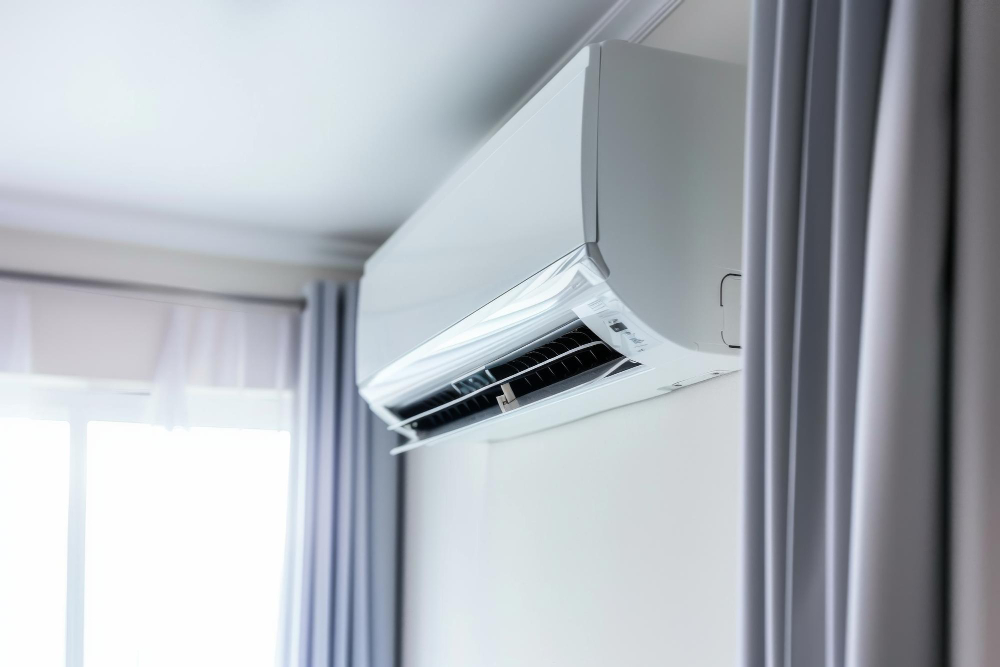
Installing a ductless mini-split in your Colorado home is a real investment, and the first question almost everyone asks is what it will actually cost. The honest answer is that there is no single price tag, because a ductless mini-split system cost in Colorado depends far more on your home than on the equipment itself. The number of rooms you want to condition, your home's age and layout, your elevation, and even the rebates you qualify for all move the final number, sometimes by thousands of dollars.
What makes Colorado different from a flat, mild climate is that the math here cuts in your favor more often than people expect. Most ductless systems double as heat pumps, so the same equipment cools you in summer and heats you through a long Western Slope winter, and the state currently offers incentives that can take a meaningful bite out of the upfront cost.
This guide breaks down what really drives the price of a ductless install in Colorado, the rebates and credits worth knowing about, and how to get an accurate number for your specific home before you commit. Whether you're cooling one stubborn room or rethinking comfort for a whole mountain house, a clear-eyed look at air conditioner repair and installation options starts with understanding what you're paying for.
In this article, you will learn about:
- What actually drives the cost of a ductless mini-split in Colorado
- How Colorado's climate and elevation affect the price
- Rebates and tax credits that lower your out-of-pocket cost
- How to get an accurate quote for your home
Keep reading to learn how to read a ductless quote, spot the factors that move your price, and take advantage of the incentives that can make the project far more affordable than the sticker number suggests.
What actually drives the cost of a ductless mini-split in Colorado
Before you can judge whether a quote is fair, it helps to understand what you're really paying for. A ductless system isn't a single product so much as a set of choices, and each one nudges the price up or down.
The good news is that these cost drivers are easy to understand once they're laid out, and knowing them puts you in a much stronger position when you sit down with an installer.
Why the number of zones matters more than anything else
The single biggest cost driver is how many indoor units, or zones, you install. A single-zone system that conditions one room sits at the low end, because it's one indoor head connected to one outdoor compressor. Every additional zone you add is another indoor unit with its own line set and its own labor, so the price climbs with each one.
This is why two homes of similar size can get very different quotes. A homeowner cooling a single hot bedroom is running a much smaller project than one putting independent control in the bedrooms, living room, and a finished basement. Neither is wrong, they're just different scopes.
The practical takeaway is to be clear about which spaces genuinely need conditioning before you start. Sometimes one well-placed unit in an open floor plan does the job, and sometimes a multi-zone setup is worth it for whole-home comfort. Mapping that out first keeps you from paying for zones you won't use.
How equipment tier and efficiency change the price
Not all mini-splits are built the same. Higher-efficiency models with better SEER2 and HSPF2 ratings cost more up front than base-tier units, but they draw less power to deliver the same comfort, which matters over a long Colorado heating and cooling season. Inverter-driven compressors, which ramp output up and down instead of cycling fully on and off, are part of why these systems run so efficiently.
Cold-climate models are their own category and a particularly important one here. These units are engineered to keep producing heat well below freezing, where a standard model would falter, and they typically add to the equipment cost. In much of Colorado that premium is worth it, both for real winter performance and because cold-climate systems often qualify for larger incentives.
A few equipment choices tend to move the price more than others:
- Number of zones and total capacity, which is the largest single factor on most quotes.
- Cold-climate versus standard equipment, where the cold-climate premium often pays back through winter performance and bigger rebates.
- Indoor unit style, since wall-mounted heads are the most affordable while ceiling cassettes and floor units cost more.
Each of these is a lever you and your installer can adjust to fit both your comfort goals and your budget. The right mix depends on how you actually live in the home and how hard your winters run.
Choosing thoughtfully here is where a lot of long-term value is won or lost, because the cheapest equipment up front is not always the cheapest over fifteen or twenty years of operation.
The home-specific extras that show up on your quote
Beyond zones and equipment, your home itself adds line items. Electrical capacity is a common one: each outdoor unit needs a dedicated circuit, and if your panel is full or outdated, you may need a subpanel or a panel upgrade before installation can happen. Older homes across the Western Slope run into this regularly.
Outdoor unit placement is another. The condenser has to be mounted and connected, and the route for the refrigerant lines between indoor and outdoor units affects labor. A clean, short run is simpler than threading lines across a finished home.
Smaller extras round out the picture, from line-set covers that protect the exposed refrigerant lines to the mounting hardware or pad the outdoor unit sits on. None of these are huge on their own, but together they're part of why a complete, professional install costs more than the price of the equipment alone.
How Colorado's climate and elevation affect the price
A ductless quote in Colorado isn't quite the same as one on flat, mild ground. The mountains and the cold add real considerations that show up in both the equipment you choose and the way it gets installed.
These factors aren't upsells, they're what it takes to make a system actually perform through a Western Slope winter. Understanding them helps you tell a quote built for Colorado apart from one copied off a generic template.
Why cold-climate equipment is usually the right call here
In a place with genuinely cold winters, the cheapest unit is rarely the smartest one. A standard mini-split loses heating capacity as temperatures drop, and in much of Colorado that means it can struggle exactly when you need it most. Cold-climate models are built to hold their output far lower, which is what makes a ductless system viable as a true year-round heat source rather than a summer-only AC.
According to the U.S. Department of Energy, an air-source heat pump like a mini-split can deliver two to four times more heat energy than the electrical energy it uses, because it moves heat rather than burning fuel to create it. That efficiency is the engine behind the long-term savings that help a ductless system pay back its upfront cost over time.
Spending a little more for cold-climate performance also tends to unlock larger incentives, which we'll get to shortly. The result is that the model that looks more expensive on the shelf is often the cheaper choice once winter performance and rebates are both in the picture.
How snow and altitude shape the installation
Colorado installs come with practical wrinkles you won't find at sea level. Snow is the obvious one: the outdoor condenser needs enough clearance above the expected snow line to keep breathing and shedding frost, which is why raised pads or elevated mounting brackets are standard practice here rather than an upsell.
Placement also matters for performance. A spot that gets some sun and stays clear of where snow slides off the roof helps the unit run efficiently through the winter. These are the kinds of details that separate an install built for Colorado from one that simply follows a generic manual.
A Colorado-ready install usually accounts for several mountain-specific factors:
- Mounting the condenser high enough to stay above the season's snow line.
- Choosing a placement that avoids roof snow-shed and catches some passive sun.
- Planning refrigerant line runs and clearances for the home's actual layout.
- Factoring in longer travel and harder access for rural or mountain properties.
Each of these protects the system's performance and longevity once winter sets in. Skipping them to shave a few dollars off the quote tends to cost more later in poor performance or early repairs.
That's why a knowledgeable local installer is worth seeking out, since these are exactly the details a generic, out-of-area crew is most likely to miss.
Why right-sizing protects your budget and your comfort
Bigger is not better with a ductless system. An oversized unit short-cycles, turning on and off too quickly to run efficiently or control humidity well, while an undersized one runs constantly and still can't keep up on the coldest or hottest days. Both waste money, one upfront and one every month afterward.
Proper sizing comes from a real load calculation that accounts for your home's square footage, insulation, windows, and Colorado's climate, not a rule of thumb. Getting it right means you buy exactly the capacity you need, which protects both your installation cost and your energy bills for the life of the system.
This is also where a knowledgeable local installer earns their keep. Someone who understands how homes behave at elevation, and how a Western Slope winter actually tests a system, will size and place your equipment for the conditions you really face.
Rebates and tax credits that lower your out-of-pocket cost
This is where Colorado genuinely stands apart. Because most ductless systems are heat pumps, they qualify for state incentives designed to encourage efficient electric heating and cooling, and those incentives can take a real bite out of your cost.
The rules shift over time, so it's worth understanding how the programs work rather than fixating on a single dollar figure that may be out of date by the time you install.
How Colorado's heat pump tax credit works
Colorado offers a statewide heat pump tax credit, and it works differently than most people expect. According to the Colorado Energy Office, the credit is delivered as an upfront discount on your installation rather than something you wait to claim on your taxes, and only a contractor registered with the state can claim it and pass the discount along to you.
There are a few eligibility basics worth knowing before you assume your project qualifies:
- The heat pump must be ENERGY STAR certified.
- Air-source systems must be AHRI-matched.
- The system must be designed to meet at least 80 percent of your home's annual heating needs.
Those requirements are part of why working with a knowledgeable installer matters, since they handle the paperwork and make sure your system actually qualifies for the discount.
The credit amount has also changed over time, so the figure that applied a year or two ago may not be today's. According to the Colorado Department of Revenue, the discount must appear as a separate line item on your invoice, which makes it easy to confirm you actually received it. Always ask your contractor what the current credit is and whether they're a registered participant.
What changed with the federal incentives
Federal incentives are a moving target, and one important change is worth flagging directly. According to the Colorado Energy Office, the federal clean energy tax credits for home improvements are no longer available for projects placed in service after December 31, 2025. If you read an older article promising a federal heat pump tax credit, that guidance is now out of date.
That doesn't mean the incentive landscape collapsed, it just means the mix shifted toward state and utility programs. The point is to verify what's current before you bank on any specific federal break, because this is exactly the kind of detail that changes from year to year.
The safest approach is to treat any incentive you read about online as a starting point for a conversation, not a guarantee. Programs open, close, and change amounts, and a registered local contractor will know what's actually live when you're ready to install.
Why local utility and income-based programs are worth checking
Beyond the state credit, Colorado has a patchwork of utility rebates and income-qualified programs that can stack on top of one another. Some are tied to specific utilities or regions, and some are reserved for households under certain income thresholds, so what's available to your neighbor may differ from what's available to you.
Because these programs vary so much by location and utility, the smart move is to check what applies to your specific address rather than assuming a number you saw for another part of the state. A program built for one metro area may not reach the Western Slope, and a mountain community may have incentives a valley town doesn't.
A good local installer is genuinely useful here, since keeping track of which programs are active, who qualifies, and how to stack them is part of the job. Pairing a ductless project with a broader look at your home's heating replacement and installation needs can sometimes open up additional efficiency incentives worth asking about.
How to get an accurate quote for your home
After all the variables, the only way to know what a ductless system will truly cost you is a real, in-home assessment. Online ranges are useful for setting expectations, but they can't see your panel, your layout, or your snow line.
A good quote is less about a single number and more about a clear plan for your specific home, which is why the in-home visit matters so much.
What a good installer needs to see
An accurate quote starts with information about your home. Your installer needs to know the spaces you want to condition, your home's square footage and layout, your insulation and window situation, and your electrical panel's capacity. The age of the home matters too, since older Western Slope houses often need electrical work that newer ones don't.
A reputable installer will want to see the home in person rather than quoting blind over the phone. An on-site visit is the only way to catch the details that move the price, from a full electrical panel to a tricky outdoor unit location to the snow considerations unique to your property.
This is also your chance to talk through goals. Whether you're solving one problem room or rethinking whole-home comfort changes the recommendation, and a good installer will lay out the options and trade-offs rather than pushing the biggest system.
Questions worth asking before you sign
A few pointed questions will tell you a lot about a quote and the company behind it. Before you sign anything, it's worth asking:
- What does the price include beyond the equipment, such as electrical work, mounting, line-set covers, permits, and disposal?
- Is the model being quoted a cold-climate unit built for Colorado winters?
- Are you a registered contractor for the state heat pump tax credit, and how will the discount appear on my invoice?
- How did you size the system, and can you explain the load calculation behind it?
The answers separate a thorough, transparent installer from one cutting corners. A registered, straightforward company will walk through all of this without hesitation.
If a contractor dodges these questions or can't explain their sizing, treat that as useful information about how the rest of the job is likely to go.
Watch out for quotes that seem too good to be true
A bid that comes in far below the rest usually means something is missing. It might skip the load calculation that ensures correct sizing, use a standard unit where a cold-climate model belongs, or leave out the electrical and snow-clearance work your install actually needs. Cheap and correct are not the same thing.
Vague, un-itemized pricing is another warning sign. A legitimate quote spells out the equipment, the labor, and the extras so you can compare bids on equal footing and see exactly where your money is going.
The goal isn't the lowest number, it's the right system installed correctly for your home and Colorado's climate. A clean install from a knowledgeable local team protects your comfort and your investment far better than a bargain that cuts the corners you can't see. If indoor comfort and air quality are part of your goal, it's also worth discussing indoor air quality services while you're planning the project.
Conclusion
A ductless mini-split is one of the more flexible comfort upgrades you can make to a Colorado home, but its cost is genuinely personal to your house. The number of zones, the equipment tier, your home's electrical and structural needs, and the realities of snow and elevation all shape the final figure, which is why a real in-home assessment beats any online estimate.
The encouraging part is that Colorado's incentives can meaningfully lower what you actually pay. Between the state's heat pump tax credit delivered as an upfront discount and the patchwork of utility and income-based programs, a cold-climate ductless system often costs far less than its sticker number once the math is done, even with the federal credit no longer in play for new projects.
The smartest next step is to talk with a knowledgeable local team that knows how these systems perform at elevation, can size yours correctly, and can tell you which incentives are actually live for your address. For honest guidance and a free in-home estimate from a team that has served the Western Slope since 1996, reach out to Snipps Heating & Air Conditioning and get a clear, accurate picture of what a ductless system would cost for your home.
HVAC repairs, maintenance, and installation for homes and businesses across Montrose and the Western Slope. Family-run, certified, and here when you need us since 1996.