
WE ARE HIRING!
How much does central AC installation cost in Montrose, CO in 2026?
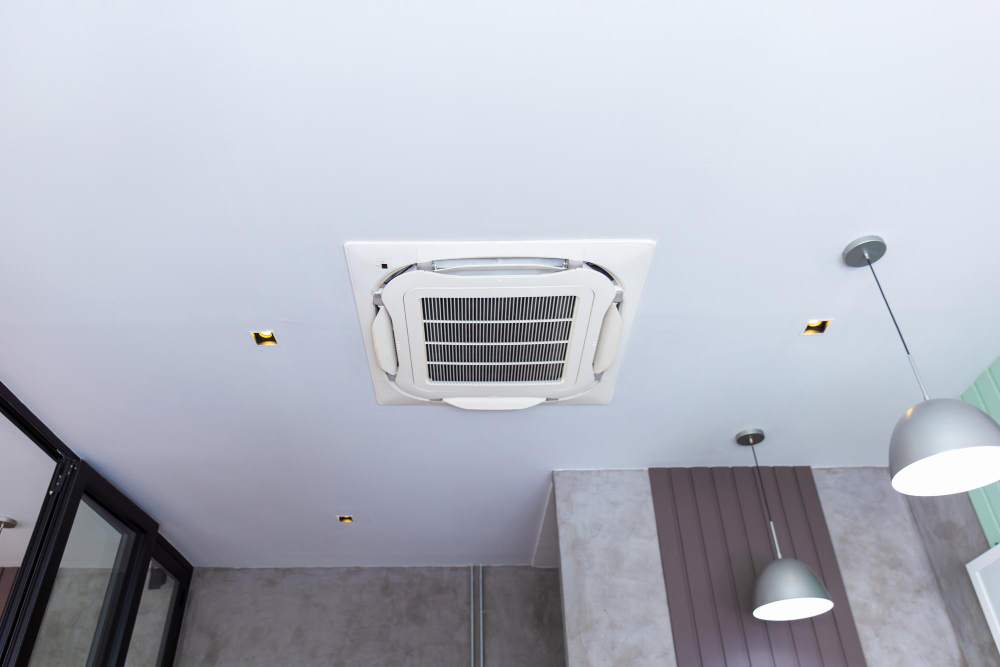
Installing a central air conditioner in your Montrose, CO home is a significant investment. You need to know what to expect before you start calling contractors. The choices you make during installation can affect your comfort and energy bills for years to come.
Your total project cost depends on several factors, including the equipment tier you pick, the size of the system, and what your home specifically needs to get the job done right. Labor is only one piece of that picture, and it shifts with the complexity of the work rather than landing on a single fixed number. Understanding these factors helps you budget properly and avoid surprises when the quotes come in.
The real cost of central AC installation in Montrose comes down to a handful of variables, and a full air conditioner repair and installation assessment is the only way to pin down your number. This guide breaks down what drives the price, what belongs in a contractor's quote, and how to get an accurate estimate for your situation.
In this article, you will learn about:
- Real-world pricing trends
- How existing systems affect installation
- Beyond the square footage: what else matters
- Understanding what's included in contractor quotes
- Investing more upfront for future savings
- How to get a precise estimate in Montrose
Keep reading to learn how to read a quote, spot the factors that move your price, and avoid the low bids that cost you more in the long run.
Real-world pricing trends
What you pay for a new central AC in Montrose depends on system complexity and efficiency more than on any single sticker number. The biggest swing factors are home size, the condition of your existing ductwork, and the equipment tier you choose.
What a basic central AC installation includes
A standard-efficiency system covers the outdoor condenser, the indoor air handler or coil, and the labor for a straightforward installation. This is the baseline most homeowners start from before any home-specific extras get added.
You'll pay less if your home already has compatible ductwork and electrical connections. Homes that need only minor modifications stay near the lower end, while installing more than one system or air handler multiplies the base cost.
Basic systems sit at the minimum efficiency the law allows. Federal standards now use the SEER2 rating, an updated testing method the U.S. Department of Energy adopted in 2023 that measures performance under more realistic ductwork conditions, so a unit's SEER2 number runs slightly lower than its old SEER figure for the same equipment. Your contractor's labor rate and the specific brand you choose create the price variation within this baseline.
What drives the price of high-efficiency systems
High-efficiency systems carry advanced compressor technology and improved heat-exchange components that cost more to manufacture, which raises the equipment price above a basic unit.
Variable-speed air handlers cost more than single-speed models but deliver better temperature control and quieter operation. Two-stage and variable compressors similarly raise the equipment price while lowering your monthly utility bills. Smart thermostat integration and zoning controls each add to the project budget.
Premium brands charge more than mid-tier manufacturers, and extras like extended warranties and noise-reduction features add to that. Your home's square footage drives tonnage, and larger systems carry proportionally higher price tags.
Why quotes vary for similar homes
Ductwork modifications create the biggest price swings between otherwise comparable properties. A home that needs duct repairs, sealing, or replacement can jump well above a home with ducts in good shape.
Your electrical panel might need upgrades to handle the new equipment load. Older homes with limited service often need panel work, and difficult equipment placement in tight crawl spaces or roof-mounted spots adds labor.
Local permit fees and inspection requirements vary by jurisdiction. Some contractors fold these into the quote while others list them separately. Seasonal demand also matters, since peak-summer installation requests tend to command a premium over off-season work.
How existing systems affect installation
Your current HVAC setup plays a major role in what you'll pay. The presence or absence of ductwork, your electrical capacity, and any existing equipment all change both the timeline and the total cost.
Comparing replacement versus first-time installation
Replacing an existing central air system typically costs less than installing one for the first time. When you already have a central AC unit, your contractor can reuse the existing mounting pad, refrigerant lines, and electrical connections, which cuts both labor time and material expense.
First-time installations require more extensive work. Your contractor has to set a new pad for the outdoor unit, run new refrigerant lines through your walls, and build out all electrical connections from scratch. Each of those steps adds labor hours and materials.
The pricing gap between the two can be substantial. A like-for-like replacement that reuses existing infrastructure lands well below a first-time installation that has to add ductwork, line sets, and circuits where none existed before.
Impact of ductwork on total estimates
Ductwork is one of the biggest cost variables in any central air installation. Using your existing ducts saves a large sum compared to installing new ones.
Homes with existing ductwork from a furnace or a previous AC system need only minor work. Your installer may just seal leaks or add a few connection points, which keeps the spend focused on the equipment and basic labor. Sealing matters here for performance as much as cost, since ducts that leak into unconditioned space waste a sizable share of what you paid to cool.
Installing new ductwork throughout your home adds several thousand dollars to the project. The exact figure depends on your home's size, layout, and how accessible your walls and ceilings are. Larger homes need more material and more installation time. If your ducts are in rough shape, professional indoor air quality services often pair well with sealing work, since the same gaps that waste energy also pull dust into your air.
Role of electrical upgrades in project costs
Your home's electrical system has to support the new unit's power draw. Older homes in Montrose often need upgrades to handle a modern central air system.
Most central air conditioners require a dedicated 220 to 240 volt circuit. If your panel lacks capacity or your wiring is outdated, you'll need that addressed before installation. Adding a new circuit and breaker is a modest add-on for most jobs.
More extensive electrical work raises the cost further. Upgrading your main panel is a larger line item, and your electrician will assess your setup during the estimate to identify exactly what's needed for safe operation.
Beyond the square footage: what else matters
Square footage is a starting point for sizing your central AC, but contractors in Montrose weigh several other factors that affect both your cost and your system's performance. Your home's insulation, air leakage, and proper sizing all shape the final price.
How system sizing affects cost and performance
Contractors calculate the right size using a Manual J load calculation rather than square footage alone. According to the U.S. Department of Energy, a quality installation sizes equipment with an ACCA Manual J load calculation and a Manual S selection protocol, because an oversized unit won't properly remove humidity while an undersized one can't keep up on the hottest days. This assessment examines your home's layout, window placement, ceiling height, and Montrose's climate.
A 1,500 square foot home might need anywhere from a 2-ton to a 4-ton system depending on those factors, and each step up in capacity adds to your installation cost.
Proper sizing keeps your system running efficiently and holding steady temperatures. An undersized unit struggles through hot Colorado afternoons and runs nonstop, which drives up energy bills and shortens equipment life.
Effect of insulation and air leakage on pricing
Poor insulation and air leaks push contractors to recommend a larger, more expensive system to make up for the lost cooling. Homes with thin attic insulation or drafty windows need more tonnage to reach the same comfort as a well-sealed home.
If your Montrose home has these issues, you face two paths. You can install a bigger unit that costs more upfront, or you can invest in insulation and air sealing first and then install a smaller, less expensive system.
The second path usually saves money over time through lower monthly bills, and many contractors will flag these efficiency issues during their site assessment. Tightening the envelope before you size the equipment is one of the few moves that lowers both your install cost and your running cost at once.
The downsides of an oversized unit
Bigger isn't better with air conditioning. An oversized unit cycles on and off too often, which prevents proper dehumidification. The U.S. Environmental Protection Agency's ENERGY STAR program notes that oversized units tend to have shorter lives due to short-cycling, or turning on and off rapidly, which inflicts excessive wear and tear on the compressor.
This short cycling also wears on components and can cut years off your system's life. You pay more upfront and then face an earlier replacement.
Oversized systems leave uneven temperatures between rooms and waste energy at every startup. They also run louder because of the constant on-off operation, which many homeowners find disruptive.
Understanding what's included in contractor quotes
What a quote covers matters as much as the bottom-line number. Permit fees, labor, and warranty coverage all shape your final price, so it pays to know what's bundled and what's billed separately.
Permit fees, inspections, and code requirements
Most contractors include permit fees in their quotes, but confirm it before you sign. Montrose County requires building permits for central AC installations, and the fee is typically a small, fixed part of the overall job.
Local code may add cost if your home needs electrical upgrades or specific safety features. Your contractor must make sure the installation meets current building and energy-efficiency codes. Some quotes list permit costs separately while others bundle them in.
Inspections happen after installation to verify the work meets code. The contractor should coordinate these and make any required corrections at no extra charge. Ask whether your quote covers reinspection fees in case the system doesn't pass the first time.
How labor factors into the total
Labor is a large share of any central AC installation in Montrose, often a third to half of the total. It covers the crew's time to remove the old equipment, install the new system, and test everything.
A basic installation runs most of a workday for a two-person crew. Jobs that require ductwork changes or electrical upgrades take longer and cost more.
Standard labor usually includes:
- Old equipment removal and disposal
- New unit installation and mounting
- Refrigerant line connection
- Electrical hookup
- System startup and testing
- Thermostat installation
Some contractors charge separately for ductwork repairs or modifications, so get specifics on what labor is included versus what costs extra.
How warranty terms affect value
Equipment warranties typically cover parts for several years, but labor coverage varies widely. Many manufacturers warranty only the equipment itself, which leaves you on the hook for labor if a repair comes up.
Contractor workmanship warranties usually run from one to five years and cover installation errors. A longer workmanship warranty adds real value because it protects you from paying to fix problems caused by a poor install. Some Montrose contractors offer extended labor warranties for an added fee.
Check whether your quote includes warranty registration with the manufacturer. Unregistered equipment may only receive the base parts warranty instead of the full coverage. Ask whether the contractor charges service fees for warranty repairs or whether those visits are free during the coverage period.
Investing more upfront for future savings
A higher-efficiency AC costs more to install but trims your monthly bills and tends to last longer with fewer repairs. Knowing the trade-offs between standard and premium equipment helps you decide what fits your budget and your plans.
Standard versus high-efficiency comparisons
Standard units meet the federal minimum efficiency for your region under the current SEER2 standard. They satisfy the legal requirement and cost less upfront, which appeals if you need a fast replacement or you're working with a tight budget.
High-efficiency systems carry noticeably higher SEER2 ratings. In Montrose, where summer afternoons regularly climb into the 90s, a higher-rated system uses meaningfully less electricity to deliver the same cooling, and that gap compounds across a long cooling season.
The price difference depends on brand and installer. You'll generally pay more for a high-efficiency system than a standard one in a typical home, with the premium scaling alongside the efficiency gain.
Weighing utility savings against upfront cost
Your monthly savings depend on how often you run the system and your local electricity rate. A higher-rated unit shaves a slice off each month's cooling cost, and those savings add up faster the more cooling hours you put on the system.
Because the upfront premium is fixed but the savings recur, the payback period stretches or shortens with your usage. A home that runs AC heavily recovers the premium sooner than one that barely uses it.
If you plan to stay in your home long-term, the higher-efficiency investment makes more sense, and rising electricity costs shorten the payback over time.
Repair risk and longevity
Higher-efficiency systems often include better components and longer warranties, with many premium units carrying extended parts coverage compared to basic models.
Standard systems typically last 12 to 15 years. Premium units with variable-speed compressors often reach 15 to 20 years because they run more gently, at lower speeds, with less wear, instead of constantly cycling on and off.
Repair costs matter too. A single major repair on a budget system late in its life can erase much of what you saved on the purchase. Premium systems break down less often, and their extended warranties tend to cover the expensive repairs while coverage lasts.
How to get a precise estimate in Montrose
An accurate estimate requires sharing specific details about your home and asking the right questions. It also helps to know the warning signs that a bid is too good to be true.
Key details contractors need
Contractors need your home's square footage to size the system, along with the number of windows, ceiling heights, and insulation quality. Your home's layout drives ductwork requirements and labor.
Tell them about your existing HVAC setup. Let them know whether you already have ductwork or need it from scratch, and share your electrical panel capacity since new units often need a dedicated circuit. This is also a good moment to ask about heating replacement and installation if your furnace is aging, since pairing the two jobs can save on labor.
The age of your home matters for pricing. Older Montrose homes may need electrical or structural work, so point out any tight crawl spaces or difficult attic access.
Be clear about the type of system you want. A straight central air system prices differently than a heat pump combination, and your efficiency preferences move the quote since higher SEER2 ratings raise equipment cost.
Questions to clarify pricing differences
Ask what the total price includes beyond the AC unit itself. Find out whether the quote covers permits, materials, labor, startup, and disposal of the old equipment, since some Montrose contractors bill these separately.
Request a breakdown of labor versus equipment cost so you can compare bids on equal footing. Ask about the specific brand and model being quoted, since different manufacturers offer different warranty terms and reliability, and get the SEER2 ratings to compare efficiency across quotes.
Find out the installation timeline and whether weather delays affect pricing. Ask about payment schedules, financing, and any seasonal discounts or promotions.
Red flags in low-priced bids
Quotes that come in far below the rest often mean corners are getting cut. A contractor might plan to use refurbished parts or skip the load calculation that determines correct sizing, the same Manual J step that proper installation depends on.
Watch for vague pricing without an itemized breakdown. Legitimate contractors list each cost component, and missing permit or inspection fees signal an incomplete bid.
Be wary of anyone who quotes without visiting your home. Accurate estimates need an on-site look at your space and existing systems, so phone-only or online-only quotes miss critical factors. Avoid contractors who won't show licensing and insurance, and skip bids that demand full payment or a large deposit before work begins.
Conclusion
Installing a central AC system in Montrose, CO takes careful planning and budgeting. Your cost will vary based on your home's size, the system's efficiency rating, and the complexity of the installation.
Getting multiple quotes from licensed contractors helps you find fair pricing. A good contractor visits your home to assess your specific needs before giving you an accurate estimate, which is what ensures you end up with a system that actually fits your space.
A central air system pays you back in comfort through hot Colorado summers and can lift your property value, and an energy-efficient model often recovers its higher upfront cost through lower utility bills over time.
The factors that drive your total cost come down to your home's square footage, the SEER2 rating and efficiency level you choose, the condition of your existing ductwork, the brand and quality of the equipment, local labor, and any extras like a programmable thermostat.
Working with experienced professionals is what protects your investment, since a poor installation leads to higher bills and frequent repairs while licensed contractors stand behind their work with warranties. Plan for both equipment and labor when you budget, ask whether each is included, and ask about financing if you need to spread the cost.
When you're ready for an honest, on-site estimate from a team that has served the Montrose area since 1996, reach out to Snipps Heating & Air Conditioning and get a system sized and priced for your home the first time.
HVAC repairs, maintenance, and installation for homes and businesses across Montrose and the Western Slope. Family-run, certified, and here when you need us since 1996.