
WE ARE HIRING!
Signs your AC needs service before Colorado summer hits
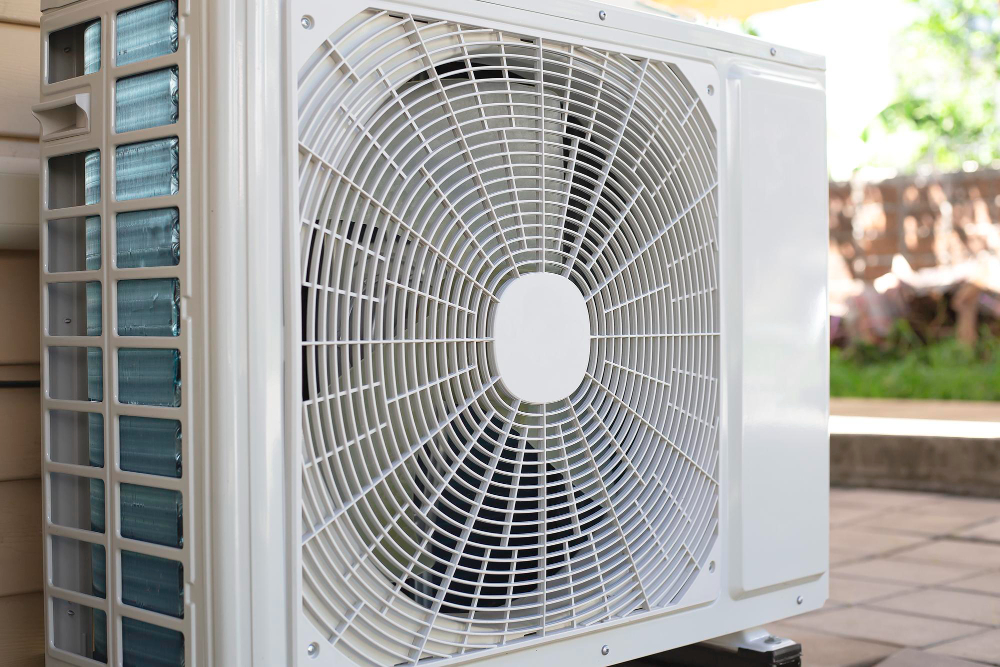
Your air conditioner works hard to keep your home comfortable, but it won't always warn you loudly before problems get serious. Catching the warning signs early can prevent costly breakdowns and keep your system running efficiently when you need it most. Small issues like weak airflow or strange sounds often point to bigger problems that only get worse over time.
Most homeowners don't think about their AC until it stops working completely. That's a mistake that can leave you sweating through hot days while waiting for emergency repairs. Learning to spot the early signs that your system needs service helps you stay ahead of problems.
Knowing the signs your AC needs service is the difference between a quick fix and a peak-season breakdown, and it matters even more in Colorado, where systems sit idle through winter and then get pushed hard once summer arrives. A timely air conditioner repair and installation visit is what keeps a small symptom from becoming a major repair.
In this article, you will learn about:
- Inefficient cooling performance
- Unusual AC noises
- Reduced airflow issues
- Unexpected increases in energy costs
- Indicators of moisture and odor problems
- Early temperature imbalances
- Advantages of scheduling spring maintenance
Keep reading to learn the specific symptoms worth acting on, why each one matters, and how catching them early protects both your comfort and your wallet.
Inefficient cooling performance
Your AC should hold steady temperatures throughout your home without running constantly. When cooling cycles stretch for hours or certain rooms stay warm despite a lower thermostat setting, your system is struggling to do its basic job.
Cooling cycles that last all day
A properly functioning air conditioner runs in cycles that typically last 15 to 20 minutes. The system turns on, cools your home to the set temperature, then shuts off until needed again.
When your AC runs continuously without shutting off, it signals a serious problem. The unit might be low on refrigerant, have a failing compressor, or simply lack the capacity to cool your space effectively.
You can track this by noting when your system turns on and off through the day. If it rarely or never shuts down, even during cooler morning and evening hours, it's working too hard.
Continuous operation drives up your energy bills and puts excessive wear on components that weren't designed for nonstop use.
Rooms that stay warm even with lower thermostat settings
Turning the thermostat down should make your home cooler. When you drop the setting but rooms stay warm, your AC is not cooling properly.
This often shows up in specific rooms first. Your bedroom might stay stuffy while the living room feels fine. Uneven cooling can point to blocked vents, ductwork issues, or a system that's lost cooling power.
Some homeowners keep lowering the thermostat hoping for better results. That just wastes energy and money without solving the underlying issue. Your AC won't suddenly work better because you set it to 65 instead of 72 degrees.
Check whether warm air blows from your vents instead of cold. Place your hand near a register; the air should feel noticeably cool, not room temperature or warm.
Longer run times as an early warning sign
Run time is how long your AC operates during each cooling cycle. Most systems run about 15 minutes per cycle in moderate weather and a bit longer on very hot days.
When cycles start lasting 30 minutes, 45 minutes, or longer, your system is losing efficiency. It has to work harder and longer to deliver the same cooling it once handled easily.
Track your system's behavior during similar weather from season to season. If your AC runs noticeably longer this summer than last year at the same outdoor temperatures, efficiency has slipped.
Longer run times usually develop gradually. You might not notice the change day to day, but comparing monthly energy bills can reveal the pattern. A clear jump in electricity costs without a matching jump in usage points to efficiency loss.
Unusual AC noises
Your air conditioner should run quietly in the background. When it starts making strange sounds, it's flagging specific mechanical problems that need attention.
Rattling noises indicating loose components
Rattling usually means something has come loose inside your unit. The noise often comes from debris in the outdoor unit, loose screws, or parts that have vibrated free over time.
Check your outdoor unit first. Leaves, twigs, or small objects can get caught in the fan and create rattling. Turn off your AC and remove any visible debris.
Internal rattling points to loose panels, mounting brackets, or fan blades. Normal operating vibration can loosen these parts, and if you can't spot the source easily, a technician needs to inspect the unit.
Don't ignore rattling. A loose component can damage other parts if it breaks free, turning a simple fix into a major repair.
Grinding and squealing sounds that signal trouble
Grinding typically indicates worn motor bearings or a failing compressor, with metal parts rubbing together without proper lubrication. This kind of damage gets worse fast and can lead to complete system failure.
Squealing usually points to worn belts or motor problems. A belt starting to break down produces a high-pitched squeal, especially at startup, and motor bearings squeal when they lose lubrication.
Turn off your AC immediately if you hear grinding. Running the system can cause permanent damage to the compressor or motor, and those repairs cost far more than addressing the problem early.
Squealing needs prompt attention but isn't always an emergency. Schedule a service call within a few days to keep it from getting worse.
When new noises lead to expensive repairs
Any new or unusual sound deserves investigation. Small problems make noticeable sounds before they become major failures, so catching them early saves you money.
Banging often signals a broken or loose part inside the compressor or blower assembly, both expensive to replace. A clicking sound that continues after startup can mean electrical issues or a failing relay.
Hissing or bubbling suggests a refrigerant leak. Low refrigerant damages your compressor and cuts cooling efficiency, and leaks require prompt professional repair.
Schedule service as soon as you notice a new sound. A technician can diagnose the specific problem and fix it before it damages other components, since waiting typically multiplies the eventual repair cost.
Reduced airflow issues
When your AC struggles to move cooled air through your home, you'll notice weak output from vents and uneven temperatures between rooms. These airflow problems force the system to work harder, driving up bills and cutting comfort.
Weaker air from vents
Place your hand near a supply vent while your AC runs. Strong, steady airflow should be immediately noticeable. If the air feels weak or barely moves, you have an airflow problem that needs attention.
Weak airflow often appears gradually. You might first notice that rooms farther from the unit don't cool well, or that some vents blow while others barely produce any output.
The blower motor pulls air through return grilles, moves it across the evaporator coil, and pushes it through your ductwork. When that process breaks down, the whole home suffers, and the system runs longer cycles to hit your thermostat setting, wasting energy without delivering proper cooling.
Dirty filters versus serious airflow restrictions
A clogged air filter is the most common cause of reduced airflow. Check your filter monthly and replace it when it looks dirty or gray, usually every one to three months depending on your home.
But not every airflow issue comes from a dirty filter. Blocked supply or return vents, leaking ductwork, or a failing blower motor can also restrict air movement. If you've installed a fresh filter and still have weak airflow, the problem runs deeper.
Serious restrictions need professional diagnosis. A technician can check for frozen evaporator coils, damaged duct connections, or motor problems that a filter change won't fix.
Impact on comfort and energy efficiency
Reduced airflow creates hot and cold spots throughout your home. Rooms near the unit feel comfortable while distant rooms stay warm, and you end up constantly adjusting the thermostat chasing even temperatures.
Your AC wasn't designed to run with restricted airflow. It runs longer cycles and works harder to cool your space, and that extra runtime shows up directly on your energy bills. Because air conditioning is the single largest use of electricity in U.S. homes, accounting for roughly a fifth of home electricity use according to the U.S. Energy Information Administration, even a modest drop in efficiency translates into real money over a Colorado cooling season.
Restricted airflow also lets your evaporator coil get too cold, which can lead to ice formation. Ice blocks even more airflow and can damage the compressor if ignored, and the system may shut down entirely on the hottest days when you need it most.
Unexpected increases in energy costs
Air conditioning is one of the largest electricity uses in any home, so when your AC struggles to hold a comfortable temperature, your electricity bills can climb noticeably without any change in how you use it.
Interpreting spikes in electricity use
Your monthly bill is a direct readout of your AC's health. If costs rise suddenly while your cooling habits stay the same, the unit is likely working harder than it should to hold your set temperature.
Compare your current bills to the same months in previous years. A clear increase during comparable weather signals a problem. Seasonal fluctuations are normal, but unexpected jumps during typical usage periods indicate reduced efficiency.
Track your thermostat settings and usage for accuracy. If you're running the AC at the same temperature for the same hours but paying more, your system needs attention. This pattern often builds gradually over several billing cycles before it becomes obvious.
Hidden efficiency losses
Your AC loses efficiency through problems that aren't immediately visible. Dirty air filters force the system to push harder to move air through your home, and clogged filters are one of the most common causes of rising energy use.
Refrigerant leaks cut cooling capacity without any obvious sign. The AC runs longer cycles to reach the set temperature, using more electricity all day, and these leaks can also cause ice buildup on the evaporator coil.
Blocked condenser coils and dirty components prevent proper heat transfer, so the outdoor unit runs longer to cool the same air. Leaky ductwork compounds all of this by letting a large share of cooled air escape before it reaches your living spaces, forcing the system into extended operation.
Aging parts that raise energy demand
A worn compressor struggles to pressurize refrigerant effectively. The AC compensates by running longer cycles, which raises both wear and energy costs, and a failing compressor can sharply increase your cooling expense before it gives out entirely.
Motor bearings deteriorate over time and create friction, forcing motors to draw more electricity to maintain the same performance. Capacitors weaken with age and keep motors from starting efficiently.
Thermostat calibration also drifts as components age, so the system may run when it doesn't need to or cycle too frequently. Electrical connections loosen over years of thermal expansion and contraction, creating resistance that wastes energy as heat.
Indicators of moisture and odor problems
Your AC can develop moisture issues and produce unusual smells that signal serious problems. These warning signs often point to mold growth, drainage failures, or electrical dangers that need quick attention.
Water leaks that threaten property
Water pooling around your AC means something has gone wrong with the condensation drainage. Your air conditioner naturally produces moisture as it cools the air, but that water should drain away through dedicated channels.
Common causes of leaks include:
- Clogged condensate drain lines from algae or debris buildup
- Frozen evaporator coils that melt and overflow the drain pan
- Cracked or rusted drain pans that can't hold water
- Disconnected drainage tubes that let water spill freely
These leaks can damage floors, walls, and ceilings if left unchecked, and the moisture creates ideal conditions for mold. The U.S. Environmental Protection Agency advises keeping air conditioning drip pans clean and drain lines unobstructed and flowing properly, since clearing leaks within a day or two is what stops mold from taking hold. Check around your indoor and outdoor units regularly for any sign of water or dampness.
Musty smells as signs of moisture
A musty or moldy odor from your vents means moisture has allowed mold or mildew to grow inside the system, typically in the ductwork, on the evaporator coil, or in the drain pan.
Mold develops when condensation doesn't drain properly or humid air sits in dark spaces inside the AC. The problem goes well beyond an unpleasant smell. Spores circulate through your home every time the system runs, which can affect your indoor air quality and your family's health. Keeping indoor humidity in a healthy range and the drain system clear is the front line of defense, and addressing it ties directly into broader indoor air quality services.
You'll need professional cleaning to remove mold from the system completely. A technician can also pinpoint why moisture is accumulating and fix the underlying drainage or humidity problem.
Burning odors requiring urgent action
A burning smell demands immediate attention because it usually signals an electrical problem or overheating component. Depending on what's failing, it can smell like burning plastic, gunpowder, or hot metal.
Turn off your AC right away if you smell burning. The cause could be:
- Overheating motors or compressors
- Frayed or melting electrical wires
- Failed capacitors or other electrical components
- Accumulated dust burning off internal parts
Some burning smell is normal the first time you run the AC after months off, and it should clear within a few minutes as dust burns away. Any burning smell that continues or starts during regular operation needs professional inspection to prevent a fire hazard or complete system failure.
Early temperature imbalances
When your AC can't hold consistent temperatures throughout the home, it signals a problem that needs attention. Uneven cooling and thermostat issues point to developing failures that worsen without repair.
Persistent hot and cold spots
Some rooms feel like a freezer while others stay warm even with the AC running constantly. This happens when the system struggles with refrigerant levels, blocked vents, or ductwork problems. Your bedroom might sit at 68 degrees while the living room holds at 76.
Refrigerant imbalances prevent proper cooling distribution. When levels drop too low, certain areas don't get enough cooled air, and motor strain can further limit airflow to specific rooms or zones.
Blocked or leaking ducts create temperature differences between rooms, with air escaping through gaps before it reaches distant spaces. Dust and debris buildup in vents also restricts airflow to certain areas.
Thermostat discrepancies
Your thermostat reads 72 but the home feels like 78. That gap between the display and the actual room temperature means something isn't working right. The sensor might be failing, or the AC can't generate enough cooling power.
Check whether your thermostat sits near a heat source like a lamp or a sunlit window. These create false readings that make the AC run too much or too little, and the sensor itself can wear out over time and need replacement.
Your AC might also run continuously without reaching the set temperature, wasting energy and raising your bill while leaving you uncomfortable. Electrical irregularities in the thermostat wiring can cause communication problems between the thermostat and the unit.
Risks of delaying AC service
Small temperature problems turn into full system breakdowns when ignored. A minor refrigerant leak can become a burned-out compressor, and your repair bill grows the longer you wait.
Your energy costs rise as the AC works harder to compensate for its problems, running longer cycles without achieving proper cooling.
Complete failure tends to happen during the hottest days when you need the AC most. Emergency repairs cost more than scheduled service, and you risk going days without cooling while you wait for parts or an available technician.
Advantages of scheduling spring maintenance
Spring maintenance helps you avoid emergency repairs during summer heat and keeps your system efficient when you need it most. Early servicing gives technicians time to fix problems before they become expensive failures.
Common issues found before peak season
Technicians commonly find dirty condenser coils during spring inspections. These coils collect dust, pollen, and debris over winter, which blocks airflow and makes the system work harder. A thorough cleaning restores function and prevents overheating.
Refrigerant leaks often surface during pre-season checks. Your AC needs the right charge to cool effectively, and low levels mean something is leaking. Catching it early prevents the kind of compressor damage that turns into a major repair.
Worn electrical connections create fire hazards and system failures. Your technician tests connections, tightens loose wires, and replaces corroded parts, small fixes that prevent sudden breakdowns on the hottest days.
Clogged drain lines back up and cause water damage inside your home. Spring maintenance includes clearing these lines and checking the condensate pump, which protects your floors, walls, and belongings from moisture problems.
Ease of booking early maintenance appointments
You get flexible scheduling when you book maintenance in spring, because HVAC companies have open calendars before the summer rush. You can choose convenient times instead of waiting days or weeks.
Pre-season service also tends to cost less than emergency repairs, and many companies run spring specials and maintenance packages. Booking ahead in a community like Ridgway or Ouray means you aren't competing with every other homeowner once the heat sets in.
Your technician also has more time to inspect the system thoroughly during a spring visit, since they aren't rushing between emergency calls in 100-degree weather. That means better attention to detail for your tune-up.
Benefits of replacing worn parts before failure
Replacing a worn capacitor during scheduled maintenance is a routine, planned expense. Waiting until it fails means no cooling, emergency service fees, and time spent in a hot house while you wait for the repair.
New parts installed during spring service come with warranties, so you're covered if something goes wrong. Parts that fail unexpectedly often aren't under warranty, leaving you to pay full price for a replacement.
Your energy bills also stay lower when every component works properly. A struggling blower motor or worn belt draws extra electricity, so replacing these parts before they fail keeps the system running efficiently all season. Planning ahead with a heating replacement and installation professional during the same visit can stretch your maintenance dollar further when your furnace is aging too.
Conclusion
Your air conditioner works hard to keep your home comfortable, and when you notice warning signs, you need to act quickly.
Regular maintenance keeps your AC efficient, which means lower energy bills and better cooling. Catching problems early saves you money on repairs too.
The key signals are easy to remember: strange noises, weak airflow, and warm air from the vents are clear warning signs; water leaks and persistent dampness point to serious problems; bad smells and frequent cycling need immediate attention; and rising energy bills often mean your system is struggling.
You should schedule professional service as soon as you spot any of these issues. Waiting too long can turn a simple repair into a costly replacement, while a trained technician can inspect your system and fix problems before they spread. Your air conditioner is an important investment, and paying attention to how it performs throughout the year protects both your comfort and your wallet.
Setting up regular maintenance keeps your AC running smoothly, extends the life of the unit, and prevents breakdowns during hot weather. When problems do appear, or you simply want to head into summer with a system you can trust, reach out to Snipps Heating & Air Conditioning for honest service from a team that has served the Montrose area since 1996.
HVAC repairs, maintenance, and installation for homes and businesses across Montrose and the Western Slope. Family-run, certified, and here when you need us since 1996.