
WE ARE HIRING!
The homeowner's guide to AC tune-ups in Montrose and Western Colorado
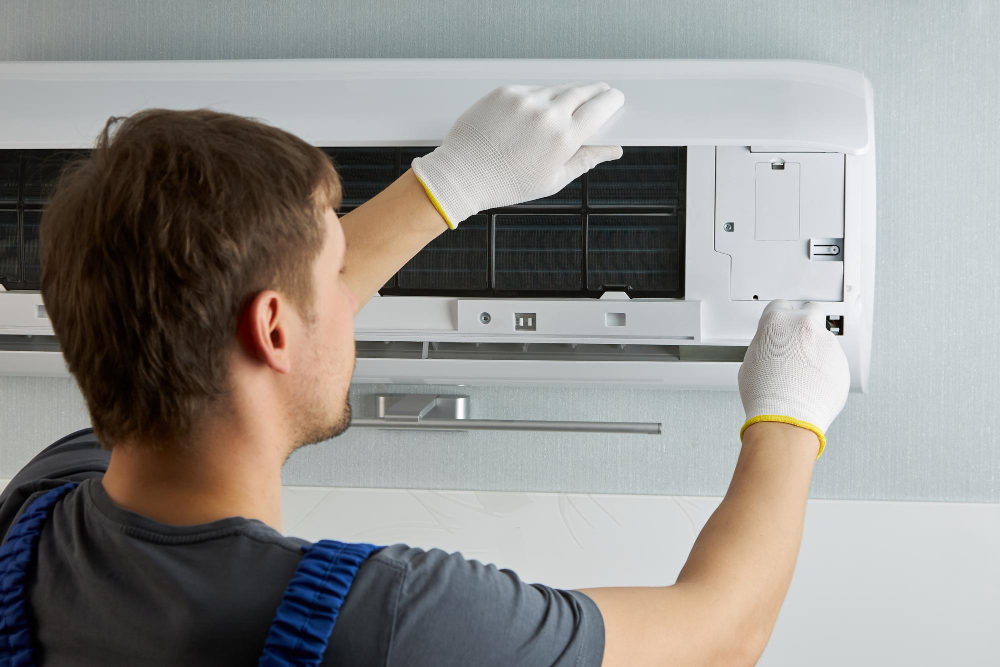
Most people don't think about their air conditioner until the afternoon it stops working, usually on the hottest day of the summer. That timing isn't bad luck so much as the predictable result of asking a neglected system to do its hardest work without any preparation. A little attention each spring is what keeps that scenario from happening, and AC tune-ups in Montrose and Western Colorado are the simplest, most cost-effective way to give your system that attention.
Our high-desert climate makes this more important than many homeowners realize. The same dry, dusty air that defines life on the Western Slope is hard on cooling equipment, loading up filters and coating coils faster than it would in a wetter place. An annual tune-up is how you stay ahead of that wear instead of paying for it in a mid-summer breakdown.
This guide covers what an AC tune-up actually includes, when to schedule one, and why our specific climate makes the habit pay off. Whether you've never had your system serviced or you're just trying to do right by it, understanding the value of regular air conditioner repair and installation and maintenance is the first step toward a cooler, cheaper, more reliable summer.
In this article, you will learn about:
- What an AC tune-up actually includes
- Why the Montrose climate makes tune-ups especially worthwhile
- When to schedule your tune-up for the best results
- What you can do yourself between professional visits
Keep reading to learn exactly what a thorough tune-up covers, the best time of year to book one, and the simple habits that keep your system running strong all summer.
What an AC tune-up actually includes
A real tune-up is far more than a quick look and a thumbs-up. It's a systematic check and clean of the parts that determine whether your system runs efficiently, reliably, and safely through the cooling season.
Knowing what's involved helps you tell a thorough service from a superficial one, and understand why the visit is worth scheduling in the first place.
The cleaning and airflow work at the heart of a tune-up
Much of a tune-up's value comes from cleaning, because dirt is the quiet enemy of cooling efficiency. According to the U.S. Department of Energy, regular maintenance of an air conditioner's filters, coils, and fins is essential for efficient performance, and neglecting it leads to a steady decline in performance and rising energy use.
The filter is the front line. A clogged filter chokes airflow and lets dirt slip past to settle on the evaporator coil, which reduces the coil's ability to absorb heat. A technician will check or replace the filter and clean the coils that a dirty filter leaves coated, restoring the airflow the system depends on.
The outdoor condenser gets attention too. The DOE notes that condenser coils collect dirt readily in dusty environments, and that keeping the area clear and trimming foliage back at least two feet helps maintain the airflow the unit needs to shed heat. The thin aluminum fins on the coils can also bend and block airflow, and a technician can comb them straight to restore efficiency.
All of this cleaning adds up to a system that moves air freely and transfers heat the way it was designed to. A clean system simply doesn't have to work as hard to keep your home cool, which protects both your comfort and your energy bill.
The mechanical and electrical checks
Beyond cleaning, a tune-up is a chance to catch wear before it becomes a breakdown. A qualified technician runs through the working parts of the system, looking for the early signs of trouble that are cheap to address now and expensive to ignore.
A thorough professional tune-up typically includes checks like these:
- Inspecting electrical terminals, then cleaning and tightening connections.
- Testing the capacitor and other components that commonly cause summer breakdowns.
- Oiling motors and checking belts for wear and proper tension.
- Verifying the thermostat is accurate and the control sequence is correct.
Each of these is a small thing that can strand you on a hot day if it fails. Catching a worn belt or a weak component during a calm spring visit is far better than discovering it when the system quits in July.
This is also where experience matters. A technician who knows what wear looks like can flag a part that's on its way out, giving you the chance to plan a repair rather than face an emergency.
The refrigerant and drainage checks
Two more systems round out a complete tune-up, and both are easy to overlook until they cause real problems. The first is the refrigerant charge, which has to be correct for the system to cool properly and run efficiently.
A system low on refrigerant is usually leaking, and the DOE notes that a trained technician should check the charge, test for leaks, and capture any refrigerant rather than releasing it. Running a system on the wrong charge wastes energy and can damage the compressor, one of the most expensive components to replace.
The second is the condensate drain, which carries away the water your system pulls out of the air. When that drain clogs, it can shut the system down or cause water damage, so clearing and checking it is a standard and valuable part of the visit. Catching a slow drain early prevents a messy and avoidable problem later in the season.
Why the Montrose climate makes tune-ups especially worthwhile
A tune-up is good practice anywhere, but Montrose and the broader Western Slope make a particularly strong case for it. The conditions here are exactly the ones that wear cooling equipment down fastest.
Understanding why turns the tune-up from a generic recommendation into something that clearly pays off for homes in our area.
How high-desert dust works against your system
Montrose sits in dry, high-desert country, and that dryness means dust travels easily and gets everywhere, including into your cooling system. That dust loads up filters faster than in a humid climate and settles onto coils and fins, where it acts like an insulating blanket that forces the system to work harder to move heat.
This is the core reason tune-ups matter so much here. The same buildup that might take a full season elsewhere can accumulate faster in our dusty air, quietly dragging down efficiency well before you'd notice it in your comfort.
A spring cleaning resets all of that. Clearing out the dust that settled over the off-season lets your system start the hot months at full efficiency rather than already handicapped, which is exactly when you want every bit of cooling capacity available.
Why long, hot runtimes raise the stakes
Western Colorado summers bring stretches of hot, dry afternoons that keep air conditioners running long and hard. The more hours a system runs, the more those small inefficiencies and bits of wear compound, and the more a clean, well-tuned system pays you back.
According to ENERGY STAR, just as a tune-up for your car can improve your gas mileage, a yearly tune-up of your heating and cooling system improves its efficiency and comfort, while a dirty filter makes the system work harder and waste energy. Over a long Western Slope cooling season, that wasted energy adds up to real money.
There's a reliability angle too. A system pushed hard all summer is far more likely to fail if it went into the season already strained by dirt and worn parts. A tune-up is cheap insurance against the breakdown that always seems to arrive on the hottest day.
Protecting the bigger investment
An air conditioner is a significant investment, and tune-ups protect it. Regular maintenance extends equipment life by reducing the strain that causes parts to fail early, which means more years out of the system you already paid for.
According to the U.S. Department of Energy, dirty filters and coils can cause a system to malfunction and lead to premature compressor or fan failure, two of the costliest repairs a system can need. Preventing that kind of damage is where a tune-up earns its keep many times over.
Maintenance also keeps your home more comfortable and your air cleaner, since a well-kept system manages temperature and circulates air better. For homeowners who want to go further, pairing maintenance with indoor air quality services can make a noticeable difference in a dusty climate.
When to schedule your tune-up for the best results
Timing turns a good habit into a great one. A tune-up done at the right moment delivers the most benefit and spares you the headaches of scheduling during the rush.
For most Western Colorado homes, the calendar points clearly to one season as the ideal window.
Why spring is the sweet spot
Spring is the best time to tune up your air conditioner, for a simple reason: it gets the system ready right before you start depending on it. Servicing in spring means any problem surfaces while it's still a convenience to fix, not an emergency in the middle of a heat wave.
There's a practical scheduling benefit too. Booking in spring, before the first hot stretch, means technicians have open calendars and you can choose a time that suits you. Once summer hits and systems start failing, those same technicians are stretched thin handling emergencies.
A few timing principles make the most of a tune-up:
- Book in spring, before the first real heat arrives, so the system is ready when you need it.
- Schedule cooling service before the summer rush, while appointments are easy to get.
- Aim for once a year for cooling, ideally pairing it with fall heating service.
- Don't wait for a problem, since the point of a tune-up is to prevent one.
Following that rhythm keeps your system a step ahead of the season rather than scrambling to catch up. It's the difference between a smooth summer and a stressful one.
For homes that run both heating and cooling hard, splitting service into spring and fall covers both systems before their respective peak seasons.
How often your system really needs service
The general rule is once a year for an air conditioner, but how hard you run the system can argue for staying especially diligent. In our climate, where systems run long hours through hot, dusty summers, that annual visit is well justified rather than optional.
Homes with extra dust, pets, or heavy use may benefit from closer attention to filters and airflow between professional visits, even if the full tune-up stays annual. The system's workload, not just the calendar, is what should guide how attentive you are.
A maintenance plan can make this easier by putting your service on a regular schedule so it doesn't get forgotten. The simplest way to keep a system reliable is to make its care automatic rather than something you have to remember each spring.
Reading the signs your system needs attention sooner
Sometimes your system tells you it needs a look before its scheduled tune-up. Weak airflow, cooling that isn't keeping up, unusual noises, or a sudden jump in your energy bill are all worth investigating rather than ignoring.
These symptoms often trace back to the very things a tune-up addresses, a clogged filter, dirty coils, low refrigerant, or a failing component. Catching them early frequently means a smaller, cheaper fix than waiting until the system gives out entirely.
If you notice any of these, it's worth scheduling service rather than pushing through. A quick professional look can confirm whether it's a simple maintenance issue or something that needs a closer repair, and either way you come out ahead of a mid-summer failure.
What you can do yourself between professional visits
A professional tune-up is the foundation, but the work you do between visits keeps your system healthy all season. None of it is complicated, and it makes a real difference in our dusty climate.
These simple habits protect the investment your tune-up represents and help your system run its best until the next visit.
The filter habit that matters most
If you do only one thing for your air conditioner, make it changing the filter. A clean filter is the single most important piece of homeowner maintenance, because a clogged one chokes airflow, wastes energy, and lets dirt build up where it does the most harm.
In our dusty high-desert air, filters load up faster than the standard guidance assumes. Checking yours monthly during the cooling season, and replacing it whenever it looks dirty, is a small habit that pays off in efficiency and protects the coils a dirty filter would otherwise foul.
Setting a monthly reminder is an easy way to stay on top of it. It costs little, takes minutes, and prevents some of the most common and avoidable system problems.
Keeping the outdoor unit clear
Your outdoor condenser needs room to breathe, and keeping it clear is simple homeowner work. The unit pulls air through its coils to release the heat it removes from your home, so anything crowding it makes it work harder.
A few easy steps keep the outdoor unit in good shape through the season:
- Clear away grass clippings, leaves, and debris after mowing or windy days.
- Trim back plants and foliage to leave at least two feet of clearance around the unit.
- Keep an eye out for dryer-vent lint or other buildup that can collect on the coils.
These take only a few minutes and directly protect your system's efficiency. A condenser smothered by overgrowth or debris simply can't shed heat well, which makes everything downstream work harder.
It's also a good chance to spot anything unusual, like odd noises or visible damage, that's worth mentioning to your technician.
Knowing where your limits are
Homeowner maintenance has a clear and important boundary: the cleaning and clearing described above is yours to do, but anything involving refrigerant, electrical components, or the sealed parts of the system belongs to a trained professional. Those areas carry real safety and equipment risks.
Handling refrigerant without training is both unsafe and, for environmental reasons, restricted to qualified technicians. The same caution applies to electrical work inside the unit. When something seems off beyond a dirty filter or a crowded condenser, the right move is to call rather than open up the system yourself.
Knowing that line is part of being a good steward of your system. The DIY habits keep it clean and clear, and a professional handles the diagnostics and internal work that keep it running safely and efficiently for years.
Conclusion
An AC tune-up is one of the highest-return habits a Western Colorado homeowner can build. For the modest effort of an annual visit, you get a system that runs more efficiently, breaks down less often, lasts longer, and keeps your home comfortable through the hottest, dustiest stretches of summer. In our high-desert climate, where dry air and long runtimes work against cooling equipment, that maintenance is less a luxury than a smart way to protect what you've already paid for.
The timing is simple: book in spring before the heat arrives, keep up with filters and the outdoor unit between visits, and leave the refrigerant, electrical, and internal work to a professional. That combination keeps your system a step ahead of the season instead of scrambling to catch up once a heat wave hits.
The best next step is to get on a regular maintenance schedule with a team that knows how our climate treats cooling equipment and will give you honest, thorough service. For a tune-up and a free in-home assessment from a team that has kept Western Slope homes comfortable since 1996, reach out to Snipps Heating & Air Conditioning and head into summer with a system you can count on.
HVAC repairs, maintenance, and installation for homes and businesses across Montrose and the Western Slope. Family-run, certified, and here when you need us since 1996.