
WE ARE HIRING!
What is an HVAC preventative maintenance agreement, and is it worth it?
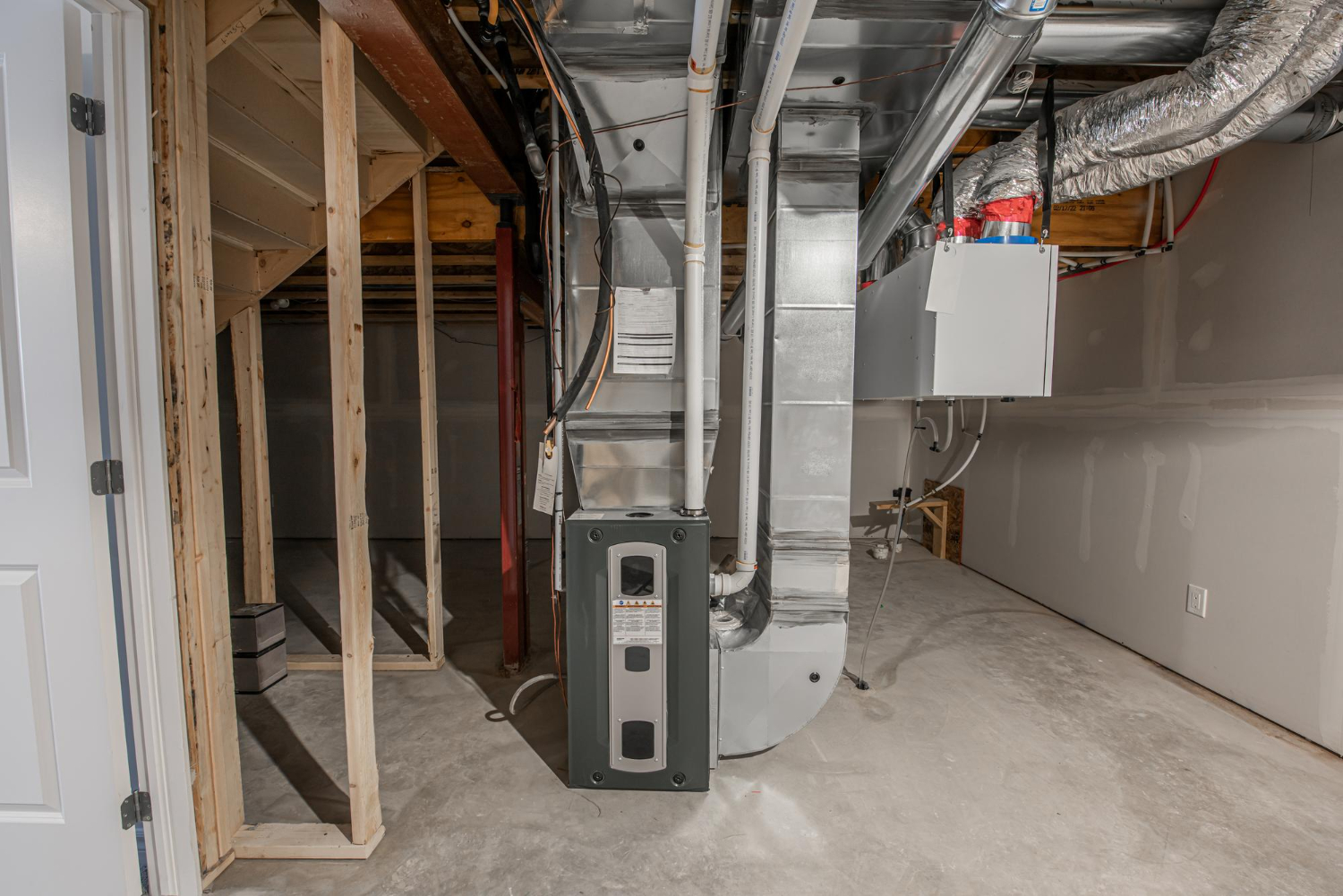
Most homeowners think about their furnace or air conditioner exactly twice a year: the day it breaks and the day the technician leaves after fixing it. An HVAC preventative maintenance agreement changes that pattern entirely. Instead of waiting for a breakdown, you put your system on a schedule, and a technician checks it before it has any real chance to fail.
That shift matters more in Western Colorado than it does almost anywhere else. Dry, dusty summers and long, cold winters both push heating and cooling equipment hard, and the gap between a well-maintained system and a neglected one shows up fast on your energy bill and even faster on a repair invoice. The question homeowners actually want answered isn't whether maintenance helps. It's whether paying for a standing agreement is worth it compared to just calling someone when something breaks.
That's a fair question, and it deserves a real answer instead of a sales pitch. Whether a maintenance agreement is worth the cost depends on what's actually included, how it stacks up against the price of reactive repairs, and how much your specific climate demands from the equipment. Looking at those factors honestly tends to make the decision a lot clearer than any single provider's marketing pitch would.
In this article, you will learn about:
- What's actually included in an HVAC preventative maintenance agreement
- The real cost math behind maintenance plans versus reactive repairs
- How these agreements protect against Colorado's specific climate demands
- What to check before signing up with any provider
Keep reading to see the actual numbers behind maintenance agreements, so you can decide for yourself whether one makes sense for your home.
What's actually included in a maintenance agreement
A maintenance agreement is not a single visit. It's a standing relationship with a provider, usually built around two scheduled checkups a year, timed so each one lands right before your system has to work its hardest.
The two-visit structure and why the timing matters
One visit happens ahead of cooling season, and the other happens ahead of heating season. That timing isn't arbitrary. Each checkup lands right before demand on the system spikes, which is exactly when small problems are cheapest and easiest to catch.
This rhythm also means a technician sees the same equipment repeatedly instead of just once. That builds an actual service history rather than a single snapshot, and history is what lets a technician notice that a capacitor is weakening faster than expected or that a coil is fouling ahead of schedule.
Two visits a year sounds modest, but it covers both halves of a climate that genuinely tests equipment twice, not once.
What a technician actually checks during a visit
The list a technician works through during each visit, whether in Ouray, Montrose, or anywhere else on the Western Slope, varies somewhat by provider, but it tends to cover the same core ground every time.
- Filter inspection and replacement, since a clogged filter is one of the most common and most preventable causes of reduced airflow.
- Coil cleaning on both the evaporator and condenser, because dust buildup on either one forces the system to work harder to reach the same temperature.
- Refrigerant charge verification, which catches a slow leak long before it turns into a system that won't cool at all.
- Electrical component testing, covering capacitors, contactors, and wiring connections that tend to fail without warning.
- Thermostat calibration, so the temperature you set is actually the temperature the system delivers.
A visit that skips any of these tends to miss exactly the kind of small, cheap-to-fix issue that maintenance is supposed to catch before it becomes expensive.
What membership adds beyond the visits themselves
Membership on top of those two visits typically comes with priority scheduling and discounted repair rates. That combination matters more than it sounds like once you consider how quickly a region's peak seasons book up.
A one-time customer calling in the middle of a heat wave often waits in the general service queue behind everyone else who waited until something broke. A member usually moves ahead of that line, which can be the difference between a same-day fix and several uncomfortable days without cooling or heat.
Discounted rates on any repairs that come up outside the scheduled visits add up too, especially for a system that's aging and more likely to need the occasional part replaced.
The real cost math: maintenance plan versus reactive repair
This is where the "is it worth it" question actually gets answered, and the honest answer depends on numbers most homeowners never see laid out side by side.
What neglect actually costs in wasted energy
According to the U.S. Department of Energy, replacing a dirty air filter with a clean one can lower an air conditioner's energy consumption by 5 to 15 percent, and a neglected coil forces a similar kind of penalty. Multiply that percentage across a full cooling season in a hot, dry climate, and the wasted energy adds up to real money long before anything actually breaks.
The U.S. Environmental Protection Agency's ENERGY STAR program notes that the average household spends more than $2,200 a year on energy bills, with nearly half going to heating and cooling. A system that's never serviced can't get anywhere near its rated efficiency, no matter how good the equipment was on the day it was installed.
That heating and cooling share of your bill isn't a minor line item. The U.S. Energy Information Administration reports that space heating and air conditioning together account for more than half of a typical household's annual energy use, which makes it the single largest lever most homeowners have over their utility bill.
Why reactive repairs cost more than scheduled ones
Weigh wasted energy against the cost of reacting instead of preventing, and a handful of realities tend to repeat across the trade. Each one shows up whether the failure happens in the middle of a heat wave or in the dead of winter, and each one costs more the longer a problem sits unnoticed.
- Emergency service calls, the kind that happen after a breakdown, almost always cost more than a scheduled visit, since technicians and dispatch both carry a premium for after-hours or same-day work.
- A capacitor or contactor caught during a routine check costs a small parts-and-labor fee, while the same failure discovered mid-summer with the system already down tends to trigger a rushed diagnosis and a rushed repair instead.
- Equipment that runs consistently dirty or low on refrigerant simply wears out faster, which pulls the replacement date closer and turns what should have been a maintenance decision into a full-system-replacement decision.
None of these costs show up on a bill labeled "cost of skipping maintenance." They show up scattered across a higher energy bill, a surprise repair invoice, and an earlier-than-expected replacement quote, which is exactly why the true cost of neglect is so easy to underestimate.
Running the numbers over several years
None of this means every homeowner needs a formal agreement to get value from maintenance. Plenty of people manage filter changes and basic upkeep on their own and still get reasonable performance out of their equipment.
What the math does show is that scheduled care tends to beat the "wait and see" approach once you count what a single emergency call actually costs, what a shortened equipment lifespan costs in early replacement, and what wasted energy costs across several summers and winters combined. Add those three categories together over the life of a system, and the case for consistent maintenance gets a lot harder to argue against.
Why Colorado's climate raises the stakes
Montrose and the surrounding Western Slope sit well above 4,000 feet, and that elevation changes how HVAC equipment behaves compared to lower altitudes.
How elevation and dry air change the equation
Furnaces and boilers have to account for lower oxygen density in combustion at this elevation, and that holds true from Delta to Hotchkiss, while air conditioners and mini-splits deal with dry air that carries dust straight into filters and coils faster than it would in a humid climate.
That combination shortens the gap between a system running fine and a system losing real efficiency. Summers here are hot and dry enough that a dirty filter or a fouled coil shows up on the electric bill within weeks, not months, which is a faster timeline than most homeowners expect.
Why winter raises the stakes even further
Winters bring the opposite kind of pressure, whether you're in Montrose or out toward Ridgway. Furnaces and boilers run for extended stretches with almost no rest during the coldest months, and a heating failure during a hard freeze isn't just uncomfortable, it puts your pipes at real risk within hours.
- Dry, dusty conditions clog filters and coils faster here than in most other climates, which is also why indoor air quality tends to suffer alongside efficiency when maintenance gets skipped.
- Long, cold winters mean heating equipment gets far more total runtime than it would in a milder region.
- Second homes and seasonal properties, especially around mountain towns like Crested Butte and Telluride, need a system that's checked before anyone arrives, not after something has already failed.
That last point matters more than homeowners often realize. A property that sits empty for weeks between visits gives a small problem plenty of time to turn into a real one before anybody notices, and it's often the same properties whose ductwork hasn't been checked in years either.
Building an agreement around two real extremes
A maintenance agreement built around this specific climate accounts for both extremes deliberately, whether the property sits close to town or out toward Cimarron or Silverton, timing one visit before the hard cooling season and one before the hard heating season rather than treating an HVAC system as a one-season concern the way a milder climate might allow.
That structure isn't a marketing detail. It's the direct response to a climate that genuinely tests heating and cooling equipment in two very different ways every single year.
What to check before signing any agreement
Not every maintenance agreement is structured the same way, and the differences matter more than the marketing usually lets on.
Questions about coverage and scheduling
Confirm how many visits are actually included and when they're scheduled. A plan that offers one visit a year covers only half of what a genuinely seasonal climate demands, no matter how it's marketed.
Ask whether the plan covers both your heating and cooling equipment, or only one system. Some agreements are built around AC alone, which leaves a real gap for anyone relying on a furnace or boiler through a Colorado winter.
Questions about what happens when something breaks
The gap between a good agreement and a disappointing one usually shows up in how a provider handles the unexpected, not in the routine visits themselves. A few direct questions tend to surface that gap quickly.
- Ask what's covered if a technician finds a problem during a routine visit. Some agreements roll minor repairs into the membership fee, while others simply flag the issue and quote it separately.
- Confirm whether priority scheduling is actually guaranteed in the agreement, or whether it's a vague promise that only applies when convenient for the provider.
- Ask whether discounted repair rates are baked into the base agreement or sold as a separate upsell once you're already a member.
The difference between these answers shows up the first time you actually need a same-day repair during peak season, which is precisely the moment a maintenance agreement is supposed to prove its value.
Questions about flexibility and cancellation
Ask what happens if you move or sell the home partway through the agreement term, since many homeowners don't think about this until it's already a problem. Confirm whether there's a cancellation option and what it costs to walk away if a provider doesn't deliver on what was promised.
Getting straight answers to all of this before signing tends to separate a maintenance agreement that actually protects your system from one that's mostly a sales tool wrapped around a couple of filter changes. Reading through what other homeowners say about a provider's follow-through is often the fastest way to find out which kind you're dealing with.
Conclusion
An HVAC preventative maintenance agreement isn't a guarantee that nothing will ever go wrong with your system. What it does is shift the odds meaningfully in your favor, catching small wear before it turns into a breakdown, keeping your equipment closer to its rated efficiency, and putting you ahead of the queue when Western Colorado's peak seasons hit hardest.
The math holds up when you actually run it. A little scheduled attention twice a year costs far less than an emergency call in the middle of a July heat wave or a January cold snap, and it tends to add real years to equipment that would otherwise wear out early from neglect. For a climate that swings this hard between seasons, that kind of consistency isn't a luxury add-on. It's closer to basic upkeep.
If you're weighing whether a maintenance agreement makes sense for your home, the Snipps team can walk you through exactly what's included and how it fits your specific system. Reach out to Snipps Heating & Air Conditioning to talk through your options and get a plan built around what your home actually needs.
HVAC repairs, maintenance, and installation for homes and businesses across Montrose and the Western Slope. Family-run, certified, and here when you need us since 1996.