
WE ARE HIRING!
Why Crested Butte homeowners are choosing ductless mini-splits
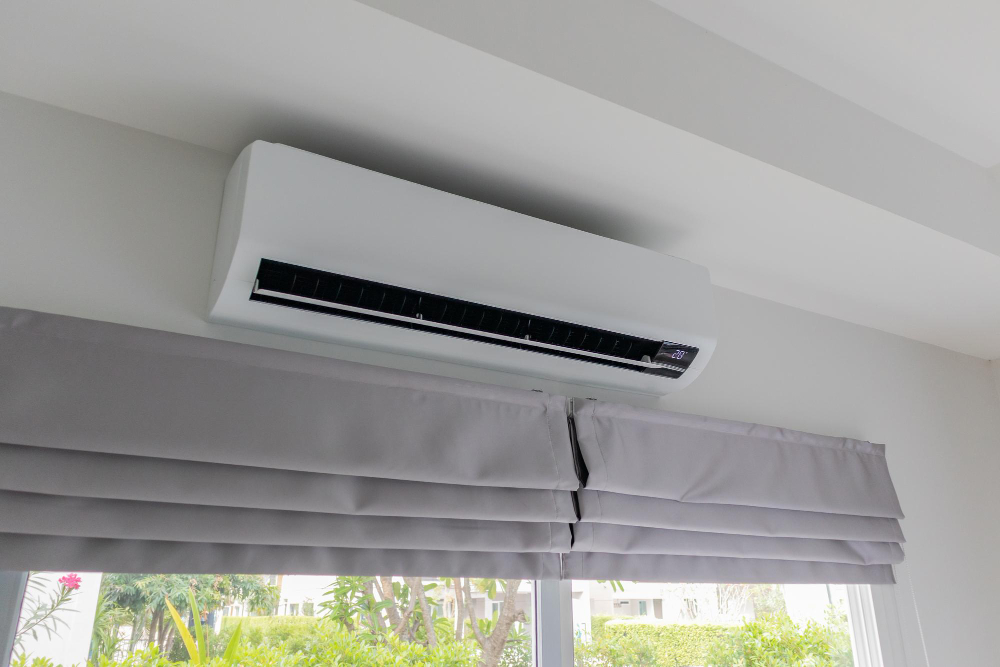
Living in Crested Butte means dealing with cold winters and cool summers while keeping your home comfortable year-round. Traditional heating and cooling systems don't always work well in mountain homes, especially those without existing ductwork. Ductless HVAC systems offer a solution built for the unique needs of homes in this area.
Ductless mini-splits provide targeted heating and cooling without requiring ductwork, making them ideal for Crested Butte homes where installing traditional systems can be difficult or expensive. These systems let you control the temperature in individual rooms instead of conditioning your entire home at once. That means lower energy bills and better comfort in the spaces you use most.
More homeowners are turning to ductless mini-splits in Crested Butte because they solve the exact problems mountain homes create, from log walls with no duct cavities to lofts and additions that central systems can't reach. Whether you own a year-round residence or a vacation home, a professional air conditioner repair and installation team can help you decide whether ductless is the right fit.
In this article, you will learn about:
- Unique challenges of mountain home construction
- Reducing energy costs with smarter heating and cooling
- Enhancing room-by-room comfort and control
- Adapting to Colorado's distinct climate
- Addressing challenges in home additions
- Convenience and peace of mind for second homes
- Key considerations for making the best choice
Keep reading to learn how a ductless system handles Crested Butte's construction quirks, mountain climate, and second-home demands while keeping your comfort and energy costs in check.
Unique challenges of mountain home construction
Mountain homes in Crested Butte face distinct building obstacles that make traditional HVAC systems difficult to install. Older construction methods, renovation limits, and unusual floor plans create specific problems that ductless systems can address.
Older properties that make central HVAC upgrades difficult
Many mountain properties in Crested Butte were built decades ago without any ductwork. These homes often feature solid log construction, stone walls, or timber framing that makes adding ducts extremely invasive and expensive.
Older cabins and vacation homes lack the wall cavities needed for modern duct systems. Cutting through structural beams or stone to install ductwork can compromise the building's integrity, and the cost climbs quickly the more structure you have to work around.
Some older mountain homes also lack proper insulation, since it wasn't a standard requirement when they were built. While that affects any heating system's efficiency, a ductless mini-split only needs a small three-inch hole through an exterior wall. You avoid major structural modifications while gaining zoned heating and cooling.
Renovations where adding ducts creates major disruption
Remodeling an existing mountain home gets complicated when you try to add central air. Ducts require significant space in walls, floors, and ceilings that simply doesn't exist in a finished home.
Running ductwork through a completed renovation means tearing out drywall, removing finished flooring, and sometimes lowering ceilings. That adds weeks to your project timeline and spreads dust throughout your living spaces.
Ductless systems let you complete HVAC upgrades without demolishing finished surfaces. Each indoor unit mounts directly on your wall or ceiling and connects to the outdoor unit through a small conduit, so your renovation stays on schedule and your existing finishes stay intact.
Fitting challenging layouts with greater ease
Mountain homes often feature vaulted ceilings, lofts, split levels, and open floor plans. These layouts create hot and cold spots that single-zone systems struggle to manage.
Traditional HVAC pushes air through one thermostat location, which doesn't account for the temperature difference between a sunny loft and a shaded lower level. Ductless mini-splits provide individual zone control with separate units for each area.
You can place indoor units exactly where you need heating or cooling without worrying about duct routing. Each zone runs independently with its own temperature settings, which improves comfort and cuts energy waste in rooms you're not using.
Reducing energy costs with smarter heating and cooling
Ductless mini-splits trim heating and cooling costs by avoiding the losses, overcooling, and inefficiency that come with traditional systems. The savings come from eliminating duct losses, controlling zones individually, and running more efficiently across the system's lifespan.
Avoiding energy loss through ductwork
Traditional HVAC systems lose significant energy through ductwork before conditioned air ever reaches your rooms. Ducts often run through unheated attics, crawl spaces, or basements where air leaks out or loses temperature along the way.
Mini-splits deliver air directly into your living spaces without ducts, so the heated or cooled air goes straight from the indoor unit to your room with minimal loss.
The energy savings from going ductless come from a few things working together: no air leakage through duct seams or connections, no temperature loss in unconditioned spaces, direct delivery of conditioned air where you need it, and less energy required to reach your target temperature.
You avoid the substantial energy waste that typical duct systems experience, where a meaningful share of conditioned air never makes it to your living areas. According to the U.S. Department of Energy, an air-source heat pump like a mini-split can deliver two to four times more heat energy to a home than the electrical energy it consumes, because it moves heat rather than burning fuel to create it.
Zoned comfort for efficient temperature control
Mini-splits let you heat or cool only the rooms you're using instead of your whole home. Each indoor unit runs independently with its own thermostat and settings.
You can keep your bedroom cool at night while units in empty rooms stay off. During the day you might run the system in your living areas and leave bedrooms off until evening. This targeted approach means you're not paying to condition spaces nobody is using.
The zoning advantages stack up: you set different temperatures for different rooms, turn off units in unused spaces, match heating and cooling to your daily schedule, and reduce overall runtime across the system. Heating and cooling make up the largest share of a typical household's energy use, so trimming waste in empty rooms goes straight to the biggest part of your bill.
Long-term effects of improved efficiency
Your mini-split keeps saving money throughout its 15 to 20 year lifespan. The efficiency advantage compounds year after year, and the system holds that performance with regular care.
These systems use inverter technology that adjusts output to match demand rather than cycling fully on and off. This steady operation uses less energy than traditional systems that run at full blast and then shut down completely.
The long-term benefits include consistent year-over-year savings, lower maintenance costs thanks to fewer mechanical parts, the potential for utility rebates that reduce your upfront installation cost, and increased home value from modern, efficient climate control. Regular filter cleaning and an annual professional check keep your mini-split running at peak performance across its service life, and pairing it with broader indoor air quality services keeps the air in those zones clean too.
Enhancing room-by-room comfort and control
Ductless mini-splits give you precise temperature control in different areas of your home, letting you condition only the spaces you use while avoiding conflicts over the thermostat.
Keeping occupied spaces comfortable
You can focus your heating and cooling budget on the rooms you actually use. A ductless system lets you hold your living room at 72 degrees during the day while unused bedrooms stay cooler or warmer without wasting energy.
Each indoor unit operates independently with its own thermostat, so you set the exact temperature you want in each zone without affecting other areas.
In Crested Butte's variable climate, you might need heating in a shaded bedroom while a sun-facing room stays comfortable on its own. Individual zone control handles these situations efficiently. Remote controls and mobile apps let you adjust temperatures from across the room or before you even get home, so you never have to walk to a central thermostat.
Resolving conflicts over temperature preferences
Different family members often prefer different temperatures. One person feels comfortable at 68 degrees while another wants 74.
With a ductless system, each person controls the temperature in their own bedroom or workspace. Your teenager can keep their room cooler while you keep the master bedroom warmer, which puts an end to thermostat arguments since everyone gets the comfort they want in their own space.
You can also account for different activity levels in different rooms. A home office where you sit at a desk might need cooler air than a bedroom where you sleep under blankets.
Independent control for guest and seasonal rooms
Guest rooms often sit empty most of the year. You can turn off the mini-split in those spaces completely and run it only when visitors arrive.
Seasonal spaces like sunrooms or converted garages benefit from independent control. You can heat a workshop only when you're working on projects rather than holding a temperature year-round.
Bonus rooms above garages typically swing to more extreme temperatures than the main house. A dedicated mini-split addresses these spaces without overworking your main system, and each zone can run on its own programmable schedule so a guest suite warms up the morning before relatives arrive without any manual adjustment.
Adapting to Colorado's distinct climate
Crested Butte's mountain climate demands systems that handle extreme cold and the occasional warm spell. Ductless heating and cooling delivers zone-specific comfort while managing the temperature swings common in Colorado's high country.
Reliable heating during cold weather
Modern mini-split systems work efficiently in Crested Butte's winters when you choose cold-climate models. According to the U.S. Environmental Protection Agency, recent technology improvements have made air-source heat pumps effective space-heating options in colder climates, performing down to around 5 degrees Fahrenheit and below, with cold-climate models built to hold output at even lower temperatures.
These units use inverter-driven compressors that adjust power to heating demand, which avoids the energy spikes traditional furnaces create at startup.
The cold-weather features that make this possible include automatic defrost cycles that clear ice from outdoor units, heated drain pans that prevent freezing, pre-heating modes that warm refrigerant before operation, and low-ambient sensors that optimize performance in sub-zero conditions. You get consistent warmth even during the coldest months, delivered directly into rooms rather than through ductwork that bleeds off heat before it arrives.
Cooling performance in warmer months
Summer temperatures in Crested Butte reach the 70s and 80s, creating cooling needs during peak afternoon hours. Ductless systems provide targeted temperature control without overcooling your whole home.
The systems run quietly and efficiently in warmer weather. You can cool bedrooms at night while leaving other zones at comfortable temperatures, which reduces energy waste.
Mini-splits also suit Colorado's dry climate well. They remove less moisture from already-dry air, holding comfortable indoor humidity without making your home feel parched.
Flexible operation for year-round use
Your mini-split adapts to Crested Butte's unpredictable weather. The system switches between heating and cooling as temperatures shift between seasons or even within a single day, and the U.S. Department of Energy notes that cold-climate air-source heat pumps can reduce a household's energy consumption by up to 40 percent, with the biggest gains for homes currently relying on electric resistance or fuel-oil heat.
Zone control lets you adjust temperatures by sun exposure and use. South-facing rooms that warm up on winter days can take less heat while north-facing spaces get more.
The systems hold efficiency across their operating range, so you avoid the energy penalty that comes from running oversized equipment during the mild stretches common in spring and fall.
Addressing challenges in home additions
Adding space to your home often creates heating and cooling problems that traditional HVAC struggles to solve. Ductless mini-splits offer practical solutions for new rooms without the expense and disruption of extending ductwork through your Crested Butte property.
Solutions for garages, workshops, and bonus rooms
Garages and workshops typically lack any climate-control connection to your main system. Installing ductwork to reach them means cutting through walls and ceilings, which drives costs up fast.
A single ductless head can turn an unheated garage into a comfortable year-round workspace. The indoor unit mounts on the wall and connects to an outdoor compressor through a hole only about three inches wide.
Bonus rooms above garages face particular challenges in Crested Butte's climate, getting too hot in summer and too cold in winter because they sit away from your home's main heating zones. A mini-split gives them independent temperature control without affecting the rest of the house. The installation is straightforward, since your technician runs refrigerant lines between the outdoor and indoor units instead of building new duct pathways through finished spaces.
Expanding living space without extensive upgrades
Converting your attic or basement into living space creates immediate HVAC challenges. Extending your existing duct system to those areas often means your current furnace or air conditioner can't handle the extra load.
Mini-splits sidestep this because they work independently from your central system. You can add heating and cooling to new spaces without replacing your main HVAC equipment.
Each indoor head runs on its own thermostat, giving you precise control over the addition's temperature so you're not conditioning the whole house to make one new room comfortable. The compact components also work well where there's little room for traditional equipment, since the indoor units mount high on the wall and preserve your floor space.
Faster installation for added rooms
Traditional ductwork installation can take several days and makes a substantial mess. A single-zone mini-split installation typically finishes in about a day.
Your installer only needs to drill one small penetration through an exterior wall, which minimizes damage to new finishes and cuts down the repair work afterward.
That quick timeline means less disruption to your routine, and you can start using your new addition sooner instead of waiting on extensive HVAC work. When an addition also calls for rethinking your primary heat source, a heating replacement and installation professional can weigh the whole system at once.
Convenience and peace of mind for second homes
Ductless mini-splits offer remote control and monitoring that make managing a vacation property in Crested Butte simpler and more reliable. These features help protect your investment while keeping your home ready for your next visit.
Maintaining comfort when unoccupied
You can control your mini-split from anywhere using a smartphone app, adjusting the temperature before you arrive so the home is comfortable when you walk in. You don't have to keep the system running at full capacity while you're away.
During winter, you can hold a lower temperature to protect against freezing pipes without wasting energy heating an empty house. Scheduling means the system only works hard when needed, and many mini-splits send alerts if the temperature drops too low or the system runs into a problem.
This remote access removes the need to ask neighbors or a property manager to check on your heat. You can confirm everything is working with a quick look at your phone.
More effective temperature monitoring
Mini-splits provide real-time temperature data for each room with an indoor unit, giving you a clear picture of conditions throughout the property. You'll know right away if one area is getting too cold.
Some systems track energy use and show you when and where the system works hardest, which helps you catch potential problems before they turn serious. For a Crested Butte home that sits empty for weeks at a time, these monitoring features act as an early-warning system.
You can also set temperature thresholds that trigger notifications, so if the home drops below a set point during a cold snap, you get an alert immediately.
Reducing reliance on older equipment
Many second homes in Crested Butte rely on baseboard heaters, wood stoves, or older furnaces that demand more hands-on management. Mini-splits remove the need to keep firewood stocked or worry about a pilot light going out, and you won't need to schedule furnace maintenance as often with a ductless system carrying most of the heating load.
Those older systems usually offer no remote monitoring at all. A mini-split gives you visibility and control that traditional heating equipment simply can't provide, operating independently without requiring you to be present to make adjustments.
Key considerations for making the best choice
Choosing the right ductless mini-split for your Crested Butte home means evaluating when the technology fits your situation, understanding how different systems meet different needs, and knowing when to bring in a professional.
When a ductless mini-split stands out as the best solution
Ductless mini-splits shine in specific situations. Homes without existing ductwork benefit most, since adding ducts is a major expense, and older Crested Butte properties often fall into this category.
Room additions and converted spaces like garages or attics make ideal candidates, because extending your current HVAC to those areas creates inefficiency and cost that a single-zone mini-split avoids.
You should also consider mini-splits when different rooms need different temperatures. Multi-zone systems let you set each room independently, which matters in mountain homes where sunny south-facing rooms heat up while shaded areas stay cool.
Homes with high heating bills tend to see the most savings. The U.S. Department of Energy reports that cold-climate heat pumps can cut household energy use substantially, with the largest gains for homes heated by electric resistance or fuel oil, both common at Crested Butte's elevation where winters run long.
Comparing multiple options for different needs
Your choice depends on your specific requirements. Single-zone systems serve one room or area, while multi-zone systems connect several indoor units to one outdoor compressor.
Budget matters when you compare options, and the spread between a simple single-zone install and a multi-zone whole-home system is wide, scaling with the number of indoor heads and the complexity of the job. A professional quote is the only way to size the cost to your home.
Climate performance separates good systems from great ones. Look for models rated to hold heating capacity well below freezing, since standard units lose efficiency in the deep cold that Crested Butte sees regularly, while cold-climate models maintain output in extreme temperatures.
Energy ratings tell you long-term cost. SEER2 ratings measure cooling efficiency and HSPF2 ratings measure heating efficiency, and higher numbers in both mean lower utility bills over the life of the system.
Importance of a professional assessment
Accurate sizing is essential. An oversized unit cycles on and off too often, wasting energy and wearing out faster, while an undersized unit runs constantly without reaching your target temperature. The EPA notes that a heat pump that is too large or too small reduces efficiency and can raise maintenance costs.
A professional installer calculates your heat load based on square footage, insulation, window area, ceiling height, and Crested Butte's specific climate data, which is what ensures the system is sized correctly.
Installation quality affects performance and longevity. Refrigerant lines have to be installed correctly, the outdoor unit needs placement away from snow drifts with proper drainage, and indoor units need correct positioning for good airflow. A licensed contractor also handles permits, ensures code compliance, and identifies any electrical upgrades you might need, since most mini-splits require a dedicated 220-volt circuit.
Conclusion
Crested Butte's mix of older mountain construction, long winters, and second-home ownership makes ductless mini-splits a natural fit for the way homes here are actually built and used. They install without tearing into log walls or finished renovations, deliver zoned comfort room by room, and let you manage a vacation property from your phone.
A ductless system avoids the energy lost through ductwork, gives every room its own temperature, holds up through cold mountain winters when you choose a cold-climate model, and reaches additions and bonus rooms your central system never could.
Whether you're upgrading an older cabin, finishing a basement, or protecting a home that sits empty between visits, the right mini-split depends on proper sizing and quality installation, which is where a professional assessment earns its keep.
When you're ready to find out whether ductless is right for your home, reach out to Snipps Heating & Air Conditioning for honest guidance and expert installation from a team that has served the Crested Butte area and the wider Western Slope since 1996.
HVAC repairs, maintenance, and installation for homes and businesses across Montrose and the Western Slope. Family-run, certified, and here when you need us since 1996.