WE ARE HIRING!
Second Home Winterization Checklist for Telluride and Crested Butte Owners
To winterize a second home in Colorado, have the heating system serviced before you leave, set the thermostat no lower than 55°F, replace the filter, clear snow away from vents and intakes, test carbon monoxide alarms, and arrange for someone to check the house while it sits empty. For Telluride and Crested Butte homes that go weeks without anyone inside, the heating system is the one thing standing between a quiet winter and a frozen pipe. This checklist walks through what to do before you go, while the home is empty, and before you come back.
Before you leave: the heating checklist
Most winter damage in vacant homes starts with a heating problem nobody noticed. A few hours of preparation in the fall is the best protection you can buy.
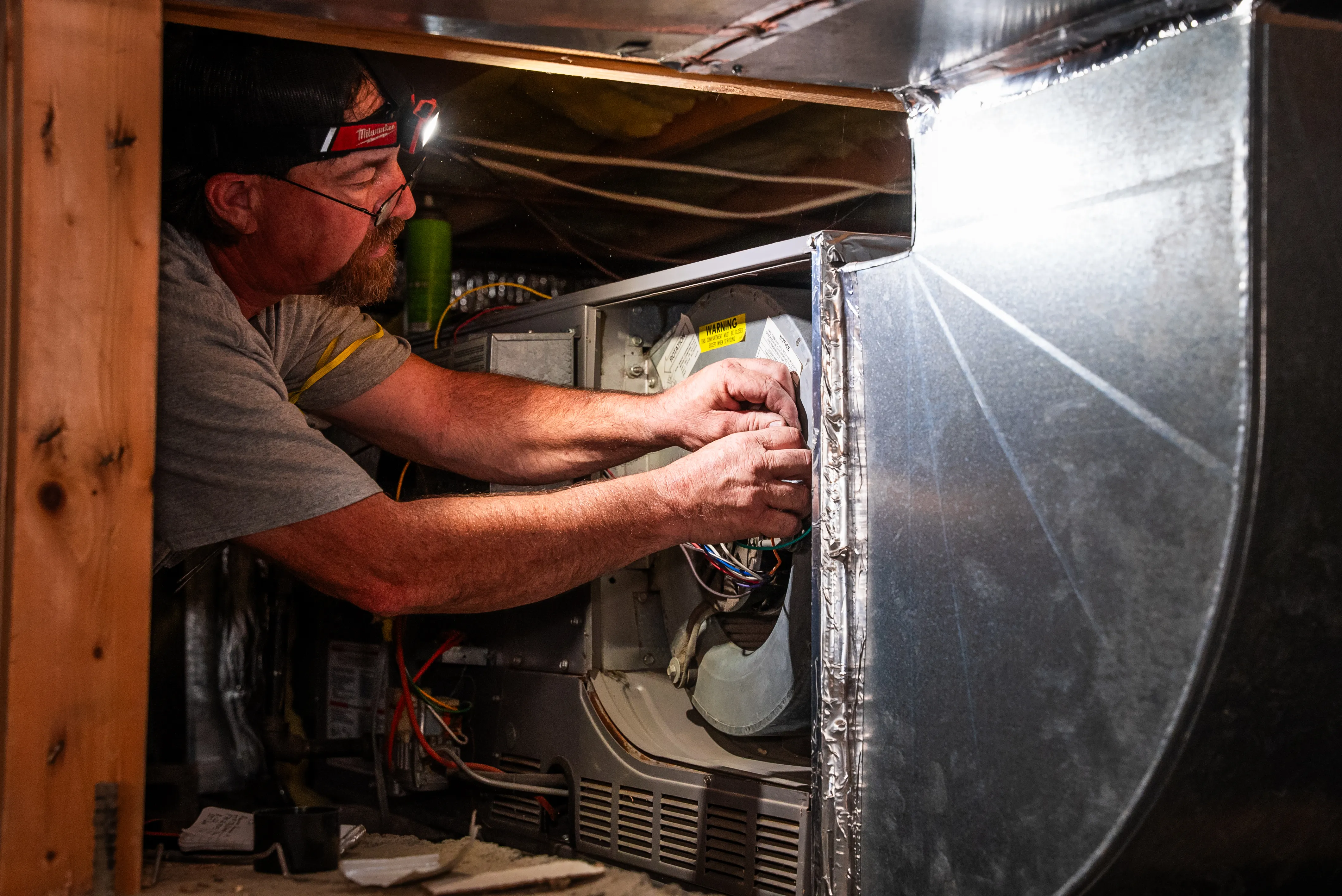
- Schedule a pre-season heating check. Have a technician inspect the furnace, boiler or heat pump, test ignition and safety controls, check the flame or heat strips, and look over the venting. A system that has just been serviced is far less likely to fail in January. If something is already wearing out, our heating repair team can fix it before you go.
- Set the right temperature. It is tempting to turn the heat way down to save on energy, but a cold house is a risk to the plumbing. The American Red Cross advises leaving the heat on when you go away in cold weather, set no lower than 55°F. Some owners choose a few degrees above that for extra margin.
- Replace the air filter. A clean filter keeps air moving and reduces strain on the blower over a long, unattended stretch. If the home has several systems, change every filter.
- Clear vents and intakes. High-efficiency furnaces and boilers often vent through the side wall, and those pipes can be buried by drifting or sliding snow. Make sure exhaust and intake terminations, outdoor heat pump units and any mini split condensers are clear, and ask your snow removal crew to keep them that way.
- Test carbon monoxide alarms. The U.S. Consumer Product Safety Commission recommends CO alarms with battery backup on every level of the home and outside sleeping areas, ideally interconnected, with batteries checked regularly. Fresh batteries before you leave mean the alarms are ready for your return and for anyone who visits while you are away.
- Protect the plumbing. The Red Cross also recommends disconnecting and draining outdoor hoses, shutting the indoor valves to outdoor faucets, insulating exposed pipes and opening cabinet doors under sinks on outside walls so warm air can reach them. Your plumber or property manager can advise on whether to shut off or drain the water supply.
While the home is empty
Even a well-serviced system can stop for reasons outside its control: a power outage, a propane delivery that runs late, or a vent blocked by a storm. The goal while you are away is to find out quickly if the heat stops.
- Remote monitoring. A Wi-Fi thermostat lets you see indoor temperature from your phone. Standalone freeze alarms and water leak sensors can send a text or call if the temperature drops or water appears. These are general options, and the right choice depends on the home and its internet service.
- Regular vacancy checks. Someone should walk through the house on a set schedule, look at the thermostat, listen for the system running, check for water under sinks and around the water heater, and confirm vents are clear outside.
- Fuel and power. If the home runs on propane, keep an automatic delivery schedule and make sure the tank and driveway stay plowed. Know where the breaker panel is and who can reset it.
- A clear call list. Give your property manager, neighbor or caretaker one sheet with your HVAC company, plumber, propane supplier and electrician, plus your own contact details. Snipps can be reached at (970) 240-8152.
If your property is managed for you, our property manager services are set up to fit how managers already work, with reporting that keeps owners informed.
Before you return
A little planning makes the first night back comfortable instead of chilly.
- Ask your manager or caretaker to raise the thermostat a day or two ahead so the house is warm when you arrive. Large mountain homes with radiant floors can take a while to come up to temperature.
- Have the person checking the home confirm that vents, intakes and outdoor units are clear after the latest storm.
- When you arrive, listen for unusual noises, check for odd smells and confirm the CO alarms show a normal status.
- If you are staying into spring, book an AC or heat pump check before summer. Homes with ductless systems can do this on the same visit. Our post on why Crested Butte homeowners are choosing ductless mini splits explains why many owners add them for zoned comfort.
How the Mount Wilson plan covers winterization
Our Mount Wilson plan was designed for property managers and second homes like those in Telluride and Crested Butte. It turns this checklist into a service you do not have to manage yourself.
- Winterization and vacancy checks. We help get the heating system ready for a vacant season and can check on it while the home sits empty.
- Twice-yearly pre-season checks. A fall heating check and a spring cooling check keep both systems ready before the season that needs them.
- Property manager reporting. Findings go to the people who need them, so owners and managers see what was checked and what was found.
- A dedicated account manager. One point of contact who knows the home, its equipment and its history.
- After-hours emergency access. If the heat fails outside office hours, members have a way to reach us.
- Minor repairs up to $100 and an extended warranty on installs, plus priority scheduling.
Every visit is backed by our 30-Day Service Warranty and Done Right Guarantee. Snipps has been a local Western Slope crew since 1996, with NATE-certified technicians who work on homes across the region.
Second home winterization FAQs
What temperature should I leave my second home at in winter?
No lower than 55°F, according to the American Red Cross. Some owners set it a few degrees higher for extra protection during cold snaps.
Should I turn the heat off in a vacant mountain home?
No. Leaving the heat off risks frozen and burst pipes. Keep the heat on at a safe setback and have someone check the home regularly.
How often should someone check on an empty second home?
It depends on the home, the weather and your insurance policy, so ask your insurer and property manager. More frequent checks make sense during cold snaps and after big storms.
Can a property manager handle HVAC winterization for me?
Yes. With the Mount Wilson plan, Snipps works directly with your property manager on winterization, vacancy checks and reporting, so the owner stays informed without coordinating every visit.
Heading out for the season? Call Snipps Heating & Air Conditioning at (970) 240-8152 to set up a winterization visit or ask about the Mount Wilson plan.
HVAC repairs, maintenance, and installation for homes and businesses across Montrose and the Western Slope. Family-run, certified, and here when you need us since 1996.