WE ARE HIRING!
Ductless mini-split heating for mountain cabins and second homes in Colorado
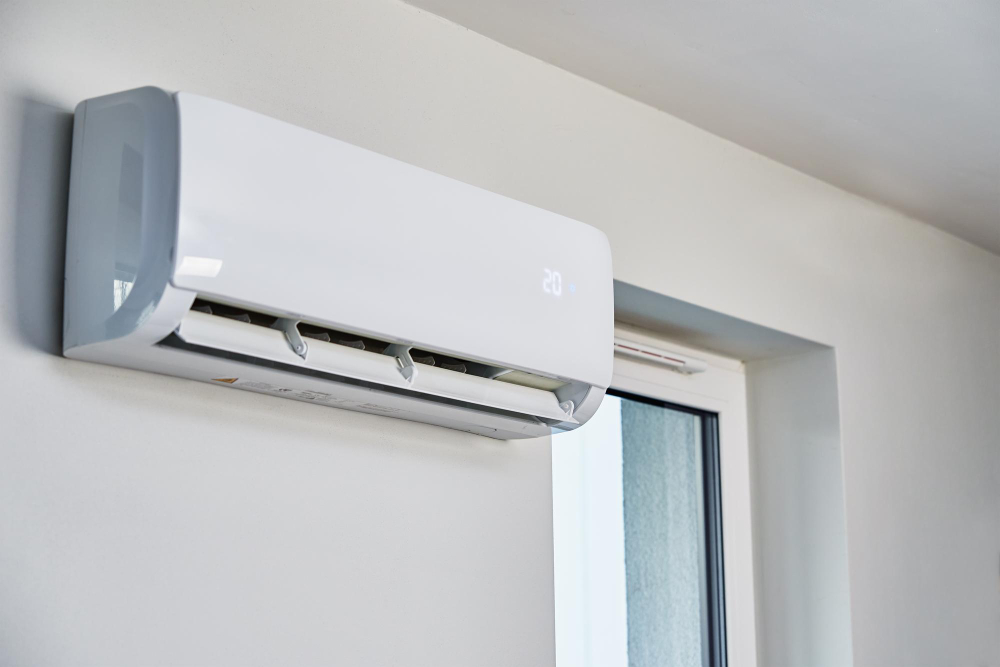
Mini split heating for mountain cabins in Colorado solves a problem a lot of second home owners don't think about until the first hard freeze hits the Western Slope. A cabin near the high country or a getaway outside a ski town doesn't need the same heating setup as a full-time house in the valley, and forcing one onto the other usually means wasted energy, higher bills, or a system that can't keep up when it matters most.
Western Colorado's mountain towns sit at elevations where winter isn't a season so much as a way of life. Thin, dry air, wild swings between day and night, and long stretches below freezing put real demands on any heating system, and a cabin that only gets used part of the year has its own quirks on top of that. Pipes still need protecting even when nobody's there to notice a dropping thermostat, and a system has to earn the word "efficient" at 7,000 or 8,000 feet, not just at sea level.
This article looks at why ductless mini-splits fit mountain cabins and second homes so well, how they perform through a genuine Western Colorado winter, and what changes once a property sits empty most of the week. Plenty of cabin owners already run a central air system for the warm months and are now weighing whether ductless heat makes more sense for winter too.
In this article, you will learn about:
- Why more mountain cabin owners are switching to mini-split heat
- Can a mini-split really handle a Colorado mountain winter?
- What changes when the house sits empty most of the week
- Getting a mini-split installed on a remote mountain property
Keep reading to find out whether a ductless system can actually keep your cabin warm when the thermometer drops below zero, and what it takes to get one installed right the first time.
Why more mountain cabin owners are switching to mini-split heat
Cabins and second homes in the mountains were built differently than year-round houses in town, and a lot of them were never set up with real ductwork to begin with. Baseboard heaters, a wood stove, or an old electric furnace tucked into a crawlspace might have been fine for occasional weekend use decades ago, but they rarely keep up with how people actually use these properties now.
Mini-splits solve that gap without tearing into walls or adding a bulky duct system to a cabin that was never designed for one. A single outdoor unit can power one or several indoor heads, each one controlled on its own, which turns out to matter a lot more for a part-time property than most owners expect going in.
No ductwork, no problem
Running ductwork through an older log cabin or a home built into a hillside is expensive at best and sometimes not possible at all. Floor joists, log construction, and tight crawlspaces common in mountain architecture don't leave much room for a traditional system, and retrofitting one can mean opening up finished ceilings and walls just to get air where it needs to go.
A ductless setup sidesteps all of that. Each indoor unit connects to the outdoor compressor through a small line set that runs through a single hole in the wall, which is a fraction of the disruption a duct retrofit requires. For ductless mini-split installation and service on an older mountain property, that difference alone often settles the decision before cost or efficiency even come up.
Heating only the rooms you're actually using
Most cabins and second homes don't get used the way a full-time house does. A family might only open up the main living area and one or two bedrooms for a long weekend, leaving a guest wing or a bunkroom closed off for most of the trip.
Mini-splits are built around zoning, so each indoor head can be set to a different temperature or shut off entirely, rather than heating an entire structure to reach one room. That kind of control adds up fast on a property where occupancy swings between a full house one week and nobody at all the next, and it's one reason the system holds its own against a furnace in side-by-side comparisons.
The efficiency math that changes at 8,000 feet
Elevation changes how every heating system performs, not just how hard it has to work. Thinner air affects combustion appliances and strains electric equipment differently, and a system rated for a town at 5,000 feet doesn't necessarily perform the same way once a property sits above 8,000 feet near Ouray. The same holds for cabins tucked into the high country around Silverton, where elevation and winter temperatures both work against standard equipment at once.
To earn the ENERGY STAR Cold Climate Heat Pump designation, a unit has to retain at least 70 percent of its rated heating capacity at 5 degrees Fahrenheit compared to its capacity at 47 degrees, a standard built specifically around the kind of extreme cold a Western Colorado mountain cabin sees most winters.
That's exactly why equipment choice matters more for a mountain cabin than for a house at the bottom of the valley, and why not every mini-split on the market is built to handle a true Western Colorado winter.
A handful of factors specific to altitude shape how any heating system performs on a mountain property:
- Lower air density, which reduces the mass of air available for a heat pump to extract warmth from.
- Sharper day-to-night temperature swings than most valley locations see.
- Higher average wind speeds at exposed, high-elevation sites.
- Longer stretches of sub-freezing temperatures across an entire winter.
None of these factors rule out a mini-split. They just mean the equipment and the installation both have to account for them rather than following a generic, one-size-fits-all approach.
That's the real difference between a system that struggles through its first mountain winter and one that performs the way it's rated to for the next fifteen years.
Can a mini-split really handle a Colorado mountain winter?
This is the question most cabin owners ask before they commit, and it's a fair one. Not every heat pump is built the same, and the technology that struggles in sub-zero weather isn't the same technology being installed across Western Colorado today.
The honest answer depends entirely on the equipment. A standard heat pump pulled off a shelf meant for a mild climate will leave a cabin cold on the worst nights of the year, while a unit built specifically for cold-climate performance behaves very differently.
How cold-climate heat pumps keep working when it's below zero
Cold-climate heat pumps use variable-speed compressors and refrigerant systems engineered to keep extracting heat from outside air even as that air gets colder and thinner. Where an older heat pump design loses most of its heating capacity somewhere around 20 to 30 degrees Fahrenheit, cold-climate models are built to keep producing usable heat well below zero.
That distinction matters more in a mountain town than almost anywhere else in the state. A cabin near Cimarron can see stretches of single-digit or negative temperatures. The same goes for properties out toward Lake City, conditions that would shut down a standard system entirely and that cold-climate technology was built specifically to handle.
A few engineering differences separate a genuine cold-climate heat pump from a standard model:
- A variable-speed compressor that ramps output up as outdoor temperatures drop, instead of running at one fixed speed.
- An enhanced defrost cycle that clears ice from the outdoor coil without losing significant heating capacity.
- Refrigerant and lubricant blends rated to keep circulating at much lower outdoor temperatures.
- Backup resistance heat that only kicks in as a last resort, not as the default source of heat.
These differences aren't marketing details. They're the reason one heat pump keeps a cabin warm through a January cold snap while another one quietly switches over to expensive backup heat.
Checking for these features before buying is a few minutes well spent, especially on a property where a service call means a drive up the mountain instead of across town.
Furnace or mini-split, which one wins at altitude
A gas furnace and a ductless heat pump solve the same problem in different ways, and the honest comparison depends on the building itself. A furnace burns fuel to generate heat directly, so altitude and outdoor temperature affect it less than they affect any device trying to extract heat from the air outside.
A mini-split built for cold climates closes most of that gap and adds zoning, lower running costs over a season, and no need for a gas line or venting in a remote building. The side-by-side math for heat pump versus furnace performance in a high-altitude home usually comes down to which system stays efficient once temperatures drop into the teens, and for cabins already running an aging furnace, that gap tends to be the deciding factor.
Why Fujitsu's cold-climate line is built for exactly this
Snipps is a Fujitsu Elite Dealer, a distinction tied to Fujitsu's cold-climate ductless technology and the extended factory coverage that comes with it. Fujitsu's variable-speed systems are engineered to keep delivering heat at outdoor temperatures that would stall out a standard heat pump, which is precisely the performance a mountain cabin needs.
That dealer status also comes with a 12-year warranty on qualifying equipment, a meaningful difference for a second home where a breakdown might not get noticed for days. Pairing the right equipment with professional installation keeps that protection intact and gives a remote property one less thing to worry about.
What changes when the house sits empty most of the week
A second home doesn't behave like a primary residence, and the heating system shouldn't either. Nobody is there most days to notice a dropping thermostat, a frozen pipe, or a unit that's quietly struggling, which changes what actually matters in a system.
The good news is that ductless systems are particularly well suited to this kind of part-time use, as long as the setup accounts for the specific risks an empty mountain property faces.
Freeze protection when nobody's there to notice
Frozen pipes are one of the most common and most expensive problems in a mountain cabin left unattended through a cold snap. Keeping indoor temperatures above a minimum threshold, even in an unoccupied building, is usually enough to prevent that, and a mini-split can be set to maintain a low background temperature without running at full capacity.
That low-level, always-on heat is a meaningful advantage over systems that get shut off completely between visits to save money. A few degrees of baseline heat costs far less than a burst pipe and the water damage that follows, which matters even more on a property out past Crawford, where a plumber or restoration crew might be an hour or more away.
A handful of spots in a typical mountain cabin are the most common sources of a freeze-related failure:
- Exposed plumbing runs in crawlspaces or unheated basements.
- Exterior hose bibs and spigots left unwinterized.
- Water lines routed along exterior walls with limited insulation.
- Any room that regularly gets shut off from the rest of the heating zone.
A mini-split with proper zoning can keep enough ambient heat moving through these problem spots to prevent most of this damage, even while the rest of the cabin sits at a lower, energy-saving setting.
That's a meaningful upgrade over a single thermostat covering an entire building, where one cold corner either gets neglected or forces the whole system to run harder than it needs to.
Remote monitoring and the peace of mind it buys
Most modern mini-splits pair with a smartphone app or a compatible smart thermostat, which lets an owner check in on the cabin from anywhere without driving up to look. That alone catches a surprising number of problems early, from a unit that's stopped responding to a temperature that's quietly dropping overnight.
For an owner splitting time between a mountain property and somewhere else entirely, that visibility turns an anxious guessing game into a quick check of a phone screen. It's a small addition to the system, but it tends to matter more here than in almost any other application.
Sizing a system for a cabin that's full one weekend and empty the next
Sizing a mini-split for occasional-use cabins is different from sizing one for a house that's occupied every day. A system sized purely for peak occupancy and worst-case weather can run oversized and inefficient during the long stretches when only freeze protection is needed, while a system sized too small won't recover quickly once a family arrives for the weekend.
Getting this right takes a genuine site visit and an honest conversation about how the property actually gets used, not just its square footage. That's especially true for quieter, more remote parts of the service area, including homes around Norwood. The same logic applies out toward Placerville, where recovery time and remote access both factor into the right setup.
Getting a mini-split installed on a remote mountain property
Equipment selection is only half the equation. Installation quality determines whether a cold-climate mini-split actually performs the way it's rated to, especially on a property that's harder to reach and harder to service quickly if something goes wrong.
A rushed or incorrect installation shows up fastest in exactly the conditions a mountain cabin sees most: deep cold, high wind exposure, and long gaps between visits where a small problem has time to become a big one.
Why altitude and access change the installation playbook
Getting equipment and a crew up a narrow mountain road or a seasonal driveway is a different job than a straightforward install in town. Outdoor units need placement that accounts for snow load, wind exposure, and drainage, and line sets have to be routed and insulated with the elevation and temperature swings of the property in mind.
Snipps has been doing this across Western Colorado's mountain communities long enough to know what each area actually demands, from wide valley floors to narrow canyon roads. A few examples from across the service area show just how different those conditions can be:
- Montrose, the home base and the lowest elevation in the lineup, where even a "mild" winter still brings hard freezes that catch an unprepared system off guard.
- Ridgway, a gateway town where mountain weather starts to take over from valley weather.
- Telluride, one of the region's busiest ski-town and second-home markets, where access is seasonal and timing an install matters.
- Crested Butte, another high-traffic second-home market with its own narrow weather window for installation work.
- Gunnison, remote enough that a same-day fix on a failed system isn't always realistic.
- Delta, where wide-open valley exposure brings a different kind of wind loading than a canyon town sees.
- Olathe, close enough to the valley floor that conditions differ sharply from the high country just a short drive away.
- Cedaredge, perched on the edge of the Grand Mesa with its own distinct microclimate to plan around.
Every one of these places demands something slightly different from an installation crew, and that local knowledge is part of what keeps a system working through its first real winter instead of needing a service call in February.
It also means fewer surprises during the quote and install process itself, since the team already knows what a given elevation, canyon, or valley location typically requires before the first visit even happens.
What a proper installation actually includes
A quality mini-split installation is more than mounting a unit and connecting a line set. Correct sizing, proper refrigerant charge, sealed and insulated line sets, and a condensate drain that won't freeze and back up in winter all have to come together for the system to perform as rated.
Skipping any one of those steps is exactly how a brand-new, well-reviewed system ends up underperforming in a real Colorado winter. A few of the steps that matter most on a typical install:
- Confirm heating and cooling loads for the specific structure, not a generic square-footage estimate.
- Select equipment rated for the elevation and expected low temperatures of the property.
- Route and insulate line sets to handle both summer heat and deep winter cold.
- Position the outdoor unit to avoid snow drift, ice damage, and restricted airflow.
- Test the system under load before calling the job finished, not just confirm it powers on.
None of these steps take much longer when they're done right the first time, but skipping them is what turns into an expensive callback months later, usually during the worst stretch of winter when it's hardest to get a technician up the mountain quickly.
That's the real value of working with a team that's handled installs across the full range of conditions in the service area, rather than one that's only ever worked on homes at a lower, milder elevation.
Keeping it running for years to come
A mini-split installed correctly should run reliably for well over a decade, but that doesn't mean it runs itself. Filters need cleaning, outdoor coils need to stay clear of debris and snow buildup, and refrigerant levels need the occasional check, especially on a system that only gets used part of the year.
Routine maintenance also catches small issues, a failing capacitor, a slow refrigerant leak, before they turn into a cold cabin during the one week a family finally makes it up for the trip. Snipps offers a maintenance plan built around exactly that kind of preventive care, and the real value of a service agreement often comes down to whether regular upkeep pays for itself over the life of the equipment.
Conclusion
A mountain cabin or second home in Colorado deserves a heating system built for the conditions it actually faces, not a scaled-down version of whatever works in town. Cold-climate mini-splits give owners zoning, efficiency, and freeze protection in a package that doesn't require tearing a building apart to install.
The right system still depends on the specific property. Elevation, how often the home gets used, access for installation and service, and the building itself all shape what actually works, which is why a proper site visit matters more here than almost anywhere else in Western Colorado.
Snipps Heating & Air Conditioning has spent years serving cabins, second homes, and full-time houses across the Uncompahgre Valley and the high country beyond it, with technicians who know what a given elevation and location actually demands. Stay here, play everywhere, and let the heating take care of itself. Reach out to Snipps Heating & Air Conditioning to talk through what a mini-split setup would look like for your property.
HVAC repairs, maintenance, and installation for homes and businesses across Montrose and the Western Slope. Family-run, certified, and here when you need us since 1996.