
WE ARE HIRING!
How to prepare your heating system for winter in Western Colorado
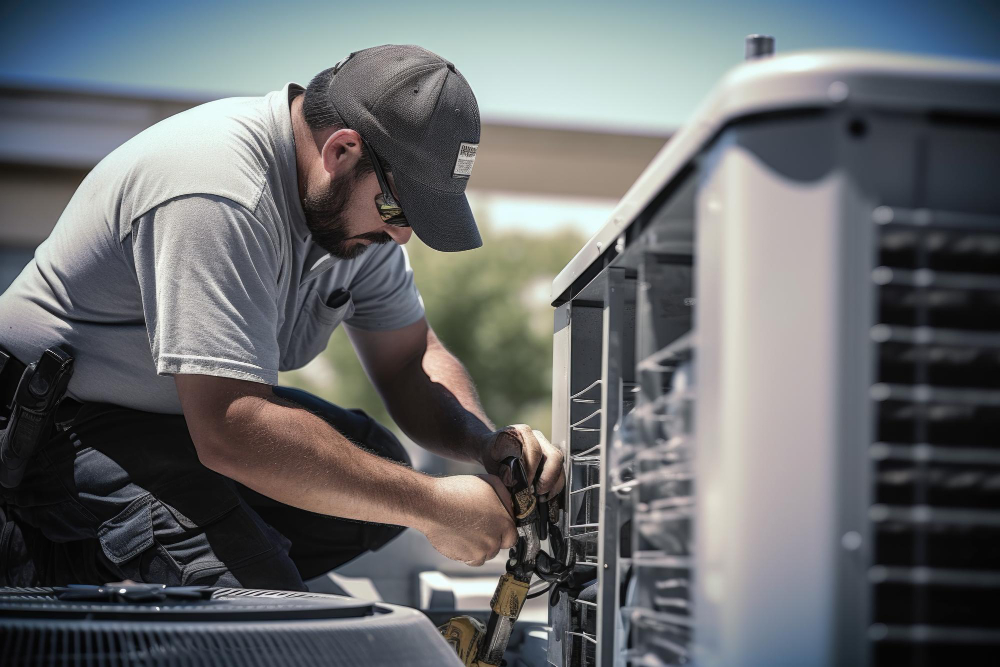
Preparing your heating system for winter in Western Colorado is not a weekend chore you can put off until the first snow falls. Once a hard freeze settles into the valley, a furnace or heat pump that was already struggling has nowhere left to hide, and a breakdown in January looks very different from one in October.
Winters here do not behave like winters in most of the country. Elevation, dry air, and wide swings between a sunny afternoon and a single-digit night put real stress on heating equipment, and homes scattered across five counties mean a service call is rarely five minutes away.
Snipps Heating & Air Conditioning has watched the same pattern play out for close to thirty years across Western Colorado. The systems that fail hardest in January were usually already showing small problems back in October, just quietly enough that nobody noticed until the cold made them impossible to ignore.
This guide covers the checks you can run yourself, the warning signs that call for a professional, and the small upgrades that keep heat inside the house instead of escaping through the attic. A furnace that already struggles going into December, with signs of needing replacement, rarely survives a hard winter without help.
In this article, you will learn about:
- Why Western Colorado winters push heating systems to the limit
- What to check before the first hard freeze hits
- Warning signs your furnace or heat pump might not make it through winter
- Simple steps to winterize your home and heating system this week
Keep reading to find out exactly what Western Colorado winters demand from a heating system, and how to get yours ready before the first freeze arrives.
Why Western Colorado winters push heating systems to the limit
Western Colorado is not a gentle place to run a furnace. Between the elevation, the temperature swings, and the sheer distance between towns, a heating system here works harder than the same unit would in Denver or Grand Junction.
Snipps is based in Montrose, and from there the service area stretches out across farmland, ski towns, and mountain valleys that each put their own stress on a heating system. Understanding why that happens is the first step to keeping a furnace or heat pump running through the whole season.
High altitude changes how hard your furnace has to work
Combustion appliances need oxygen, and there is simply less of it at 5,800 feet than there is at sea level. A gas furnace built for a lower elevation can burn fuel incompletely at altitude, which lowers efficiency and adds strain to the heat exchanger.
Most furnaces sold today account for this with altitude-adjusted gas valves and orifices, but only if they were installed and set up correctly for this market. A system installed by a crew unfamiliar with high-altitude adjustments can run inefficiently for years without anyone noticing until a bill or a breakdown forces the issue.
Temperatures swing fast across the Uncompahgre Valley and the high country
Down in the valley, a town like Delta can swing from a mild, sunny afternoon into the teens by midnight. The same pattern plays out in Olathe, where clear high-altitude skies let heat radiate away fast once the sun sets.
Climb toward the mountains and the swings get sharper. Ridgway sits higher than Montrose and feels winter earlier each year. Up in true alpine country, homes around Telluride deal with genuine high-mountain winter conditions for months at a stretch. The same is true in Crested Butte, where a struggling system fails fast once ski season brings the cold in for good. Even Silverton, one of the highest and coldest incorporated towns in Colorado, depends on heating systems that cannot afford a single bad night.
An aging or neglected system fails at the worst possible time
A furnace does not usually die all at once. It loses a little efficiency every year, runs longer to hit the same temperature, and eventually crosses into territory well past a typical furnace lifespan.
Heat pumps face the same pressure in a different way. A unit that already struggled to keep a house warm last winter typically struggles more as it ages, especially once temperatures drop into the single digits for days at a time.
What to check before the first hard freeze hits
A little attention before the first freeze prevents most of the emergency calls Snipps gets every winter. Some of it is work any homeowner can do in an afternoon, and some of it genuinely needs a certified technician.
Start with what is easy to see and touch, then move to what takes training to catch.
Start with the filter, the thermostat, and the vents
A dirty filter is the single most common reason a heating system underperforms. It restricts airflow, forces the blower to work harder, and can cause a furnace to overheat and shut itself down at exactly the wrong moment.
The thermostat and the vents deserve the same quick attention. A thermostat with dying batteries or an outdated schedule wastes energy without anyone realizing it, and furniture or rugs blocking a vent can throw off the whole house's heating balance.
- Replace or clean the furnace filter, and check it again monthly through the season
- Test the thermostat's batteries and confirm the programmed schedule still matches how the household actually lives
- Walk the house and clear any vents or returns blocked by furniture, curtains, or rugs
- Look for visible dust, rust, or soot around the furnace cabinet itself
- Confirm outdoor heat pump or mini-split units have at least a foot of clearance from snow and debris
None of these checks require any tools beyond a screwdriver and a flashlight, and together they catch a surprising share of the problems that otherwise turn into a no-heat call in January.
They are also the kind of maintenance that is easy to forget once the weather turns comfortable in October. Setting a reminder for early fall, before the first hard freeze, keeps this list from becoming an afterthought.
A professional tune-up catches what you cannot see
A homeowner can inspect a filter, but checking gas pressure, the heat exchanger, and the ignition system safely requires training and the right equipment. That is the gap a yearly professional tune-up is built to close.
Snipps structures this work around a preventative maintenance agreement rather than a one-time visit, since a system checked every year tends to fail less often and more predictably than one that only gets attention after something breaks.
- Inspect and clean the heat exchanger for cracks or corrosion
- Check gas pressure and burner flame for proper combustion
- Test the ignition system and safety controls
- Lubricate motors and check belts for wear
- Measure airflow and confirm ductwork is not restricting the system
- Verify thermostat calibration against actual room temperature
Any one of these problems on its own might not cause a breakdown, but a system is more likely to have more than one. A technician who finds and fixes two or three small issues in October often prevents the single failure that would have happened in January.
This is also the point where a technician will flag a system that is simply too old or too undersized for the house it is heating, which saves homeowners from pouring money into a unit that was never going to make it through another winter.
Carbon monoxide safety is not optional
Every fuel-burning furnace produces carbon monoxide as a byproduct, and a properly vented, well-maintained system keeps that gas outside the home where it belongs. A cracked heat exchanger, a blocked vent, or a damaged flue pipe changes that very quickly.
The Centers for Disease Control and Prevention found that 36 percent of unintentional carbon monoxide poisoning deaths in 2015 occurred in December, January, or February, the exact months Western Colorado homes lean hardest on a furnace.
- Install a battery-operated detector on every level of the home, including near sleeping areas
- Test detectors twice a year and replace batteries on the same schedule as smoke detectors
- Never run a generator, grill, or other fuel-burning device inside the house or an attached garage
- Schedule a professional furnace inspection every fall before heavy use begins
A battery-operated carbon monoxide detector on every level of the home is a basic safeguard every household should have, not just the ones running an older furnace. Poor ventilation and other indoor air quality problems often show up alongside a heating system that is already under strain.
If a detector ever sounds, the right response is to leave the house and call for help immediately, not to investigate first. Carbon monoxide has no smell or color, so a working detector is often the only early warning a household gets.
Warning signs your furnace or heat pump might not make it through winter
Some heating problems announce themselves loudly, and some creep in slowly enough that homeowners adjust without noticing. Both kinds are worth catching before a hard freeze forces the issue.
The signs below cover both categories, from the obvious to the easy to overlook.
Strange sounds, smells, or short cycling
A healthy furnace runs quietly in the background. Banging, screeching, or a rattle that was not there last year usually points to a loose part, a failing motor, or a cracked component, none of which get better on their own.
Short cycling, where the system turns on and off rapidly instead of running a normal heating cycle, wastes energy and wears out components faster than normal use would. It is one of the more reliable signs of a system heading toward replacement, especially once it starts happening more than occasionally.
- A burning or electrical smell, which should prompt an immediate shutdown and a call for service
- A persistent gas odor, which means leaving the house and calling from outside
- Banging, screeching, or rattling sounds during startup or operation
- Short cycling, or the system switching on and off far more often than normal
- Weak or uneven airflow from the vents compared to previous winters
Most of these signs are easy to dismiss in the moment, especially when the house still feels warm enough. That is exactly how a minor repair in October turns into a full breakdown in January.
A technician can usually tell within a single visit whether a sound or smell points to a simple fix or a bigger problem, which is far better than guessing and hoping it resolves on its own.
Rising bills without more comfort to show for it
A heating bill that climbs every year while the house feels no warmer is one of the clearest signs of a system losing efficiency. It is also one of the easiest signs to miss, since bills naturally rise and fall with the weather regardless.
The fix is not always a bigger furnace. A system sized for a typical Front Range subdivision is not always the right match for a home at elevation in Western Colorado, where thinner air and sharper temperature swings change how much equipment a house actually needs.
- A system that runs almost constantly without fully heating the house
- Noticeably higher bills compared to the same month last year
- Certain rooms staying cold while others overheat
- A thermostat that seems to constantly fight to hold the set temperature
Mountain properties sometimes do better with a hybrid approach, pairing equipment built for mountain conditions with supplemental zone heating in the coldest rooms of the house.
Comparing a few months of bills year over year is a simple way to catch a mismatch early, long before the coldest stretch of winter puts real pressure on the system.
A system already past its expected lifespan
Most furnaces are built to last somewhere between 15 and 20 years, and most heat pumps somewhat less, though Western Colorado's altitude and temperature swings can shorten that window. A system already near the end of that range is a poor bet to carry a household through another full winter.
This shows up often in older homes around towns like Ouray, where original heating equipment sometimes stayed in place long after it should have been replaced. Age alone is not always a reason to replace a system, but age combined with rising repair calls usually is.
- The system is older than 15 years and has needed more than one repair this year
- Repair costs are approaching half the price of a new system
- The system no longer matches the size or layout of the home
- Parts for the model are becoming hard to source
For households weighing replacement, Snipps installs both heat pump systems and traditional furnaces. A full heating replacement is often more cost-effective over several winters than repeated repairs on a unit nearing the end of its life. Deciding between a heat pump and a furnace often comes down to existing ductwork and how cold overnight lows typically run in a given town.
A straightforward way to decide is to add up the cost of repairs over the past two winters. If that number starts approaching the cost of a new system, replacement usually wins out over one more repair.
Simple steps to winterize your home and heating system this week
A heating system does not work in isolation. The house around it either helps it do its job or constantly undermines it, and a few afternoons of work before the cold sets in make a real difference either way.
None of the steps below require a contractor, though a few are worth doing alongside the professional tune-up covered earlier.
Seal the gaps that let your furnace's work escape
Heated air that leaks out through gaps around doors, windows, and the attic hatch is heat the furnace has to keep replacing. In an older Western Colorado home, that loss can be significant enough to noticeably raise a winter heating bill.
Air sealing a home typically focuses on the attic, the basement rim joist, and around windows and doors, since those are the spots that usually leak the most heat and the best places to start.
- Add or replace weatherstripping around exterior doors
- Caulk visible gaps around window frames
- Check the attic hatch or pull-down stairs for a tight seal
- Install a door sweep on any door leading to an unheated garage
- Look for gaps around pipes or wiring where they pass through exterior walls
Most of these fixes cost less than a single service call and take an afternoon, yet they reduce how hard the furnace has to work for the rest of the season.
Sealing the house does not replace a working heating system, but it does mean that system is not fighting a losing battle against drafts it was never built to overcome.
Protect pipes, vents, and outdoor equipment from the cold
A heat pump or ductless mini-split keeps its compressor outside, where snow, ice, and wind can all interfere with normal operation. Keeping that unit clear is as much a part of winter prep as anything happening inside the house.
Homeowners who rely on ductless heat pump systems, which are common in second homes and properties without existing ductwork across the resort towns, should plan for snow buildup around the outdoor unit specifically, since a buried unit cannot pull in the air it needs.
Snipps covers this kind of equipment, and the homes it sits in, across a footprint that stretches well beyond the Montrose area itself. That reach matters because a heating problem does not wait for a convenient drive time, whether the house sits:
- In Hotchkiss, up in the orchard country of the North Fork Valley
- A few miles further in Paonia, in that same valley
- Near Crawford, by the reservoir, where wind adds to the chill
- Above Surface Creek in Cedaredge, where elevation alone adds several degrees of cold
- Down in Gunnison, consistently one of the coldest valley floors in the state
- Out in Lake City, one of the most remote and highest county seats in Colorado
- On the West End in Norwood
- Along the San Miguel River in Placerville
- East of Montrose along the river canyon in Cimarron
Wherever the address falls on that list, the same winter rules apply: outdoor equipment needs clearance, pipes need protection, and a system already struggling in October is not going to improve on its own by January.
Distance is a planning problem, not a reason to skip maintenance. Scheduling a fall tune-up ahead of the rush matters more in the more remote parts of the service area, not less.
Know who to call before you actually need them
Every winter prep list eventually comes down to one practical question: who handles it when something goes wrong anyway. That answer matters more at two in the morning during a cold snap than it does on a calm October afternoon.
A household that already knows its heating contractor, already has a technician's name on file, and already understands what a furnace repair or replacement might cost is in a far better position than one scrambling to find help during the first real cold snap of the year.
- A technician's name and number already on file
- A membership or maintenance plan in place, if one makes sense for the household
- A working carbon monoxide detector on every level
- A completed fall tune-up on the calendar
Snipps technicians are NATE certified and familiar with the altitude-specific quirks covered earlier in this guide, which matters when a problem does not match the textbook case a generic technician might expect.
Winter prep is ultimately about removing surprises. A system that has been checked, a house that has been sealed, and a contractor who is already known ahead of time all add up to a much calmer winter than waiting for the first breakdown to figure any of it out.
Conclusion
Winter in Western Colorado does not give a heating system much room for error, and the difference between a comfortable season and a string of emergency calls usually comes down to work done months before the first hard freeze. A quick homeowner check, a professional tune-up, and a few afternoons sealing up the house cover most of what actually matters.
None of this has to happen all at once. Spreading these steps across a few weekends in early fall is enough to catch the problems that would otherwise turn into a no-heat call in the middle of January, and it costs far less than an emergency repair during the coldest week of the year.
Snipps Heating & Air Conditioning has worked on heating systems across Western Colorado for close to thirty years, through ordinary winters and the brutal ones, and knows what this climate actually does to a furnace or heat pump. For a heating system check before the cold really sets in, Snipps Heating & Air Conditioning is ready to help.
HVAC repairs, maintenance, and installation for homes and businesses across Montrose and the Western Slope. Family-run, certified, and here when you need us since 1996.